A 4500-year-old seal from the Indus Valley Civilisation shows a human figure grasping two lions. Known as the ‘Master of Animals’ motif, this enigmatic
Tucked away near Bhubaneswar lies one of India’s most mysterious temples, Hirapur’s Chausath Yogini Temple. This circular, roofless shrine, built in the 9th century,
What happened to Kalinga after its devastating war with Ashoka? Did Buddhism simply sweep across the region?
A 2000-year-old inscription offers some fascinating clues.
At Rakhigarhi in Haryana, archaeologists uncovered the 4500-year-old skeleton of a middle-aged woman from the Harappan period. Scientists recovered ancient DNA from her remains;
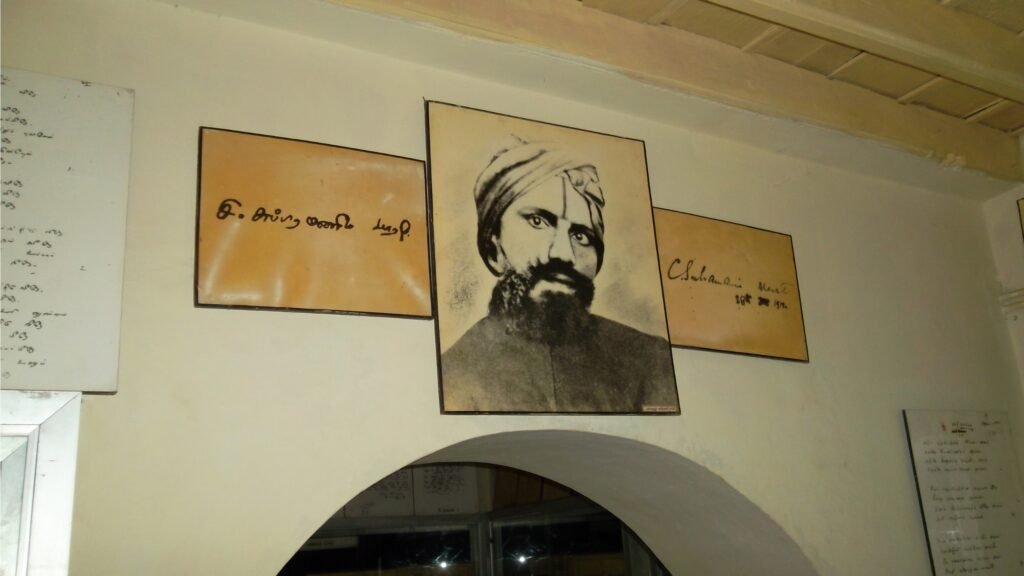
Subramania Bharati was more than just a poet. He was a journalist, a linguist and a passionate freedom fighter. Above all, he lived life on his own terms.
The ancient town of Muziris in southern India attracted traders from all around the world as far back as the first century BCE. Traders from Rome came with gold and left with something they considered even more precious – black pepper. The port thrived until a catastrophic flood wiped out all traces of it in the 1300s. For many years after, Muziris remained shrouded in mystery until recent excavations revealed some of its fascinating history.
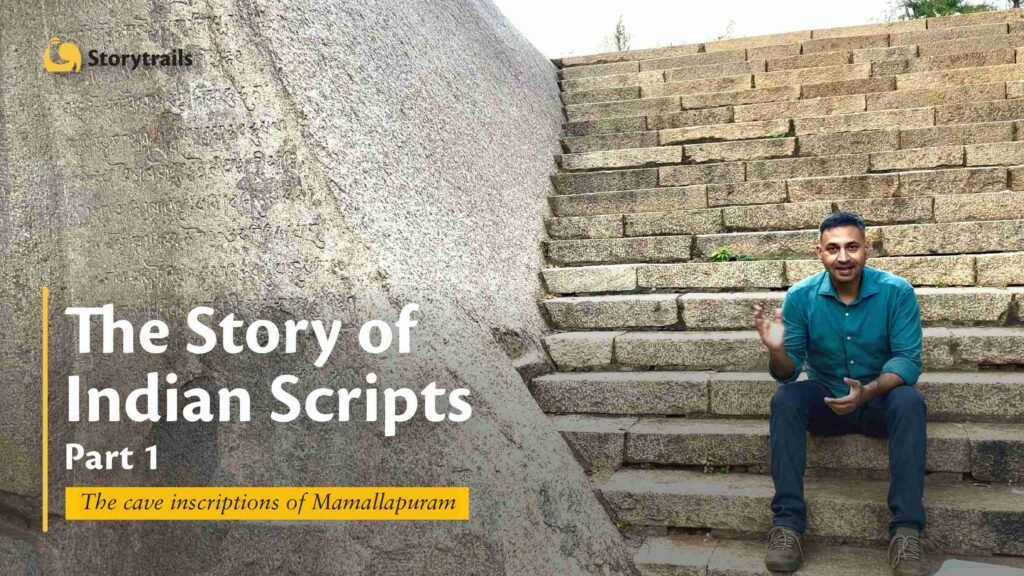
Which are the oldest languages and scripts in India? Is there a mother of all scripts, in a land that is as diverse and variegated as India? What similarities or differences exist between the south Indian scripts, and do they have anything in common with the ones used in north India?
The first of this two-part video story explores these fascinating questions and more as it traces the evolution of Indian scripts over the last 2500 years.
Was Makar Sankranti always celebrated on the 14th of January? Why are some festivals celebrated on different dates every year while others have fixed dates? Different cultures have used different calendar systems to map time and consequently, significant events like festivals. What methods did they use, and how accurate were they? And what exactly is the Hindu calendar? This fascinating article explores all this and more!
Kite flying is an inseparable part of the Makar Sankranti celebrations, a festival that is celebrated all over India in some form or the other. How old is the tradition of kite flying in the country? And why is it connected to the spring festival of Sankranti?
India is home to some of the richest temples in the world. Have you ever wondered how these temples came into such wealth? Here's where powerful Indian kings and their financial management skills played a significant role.
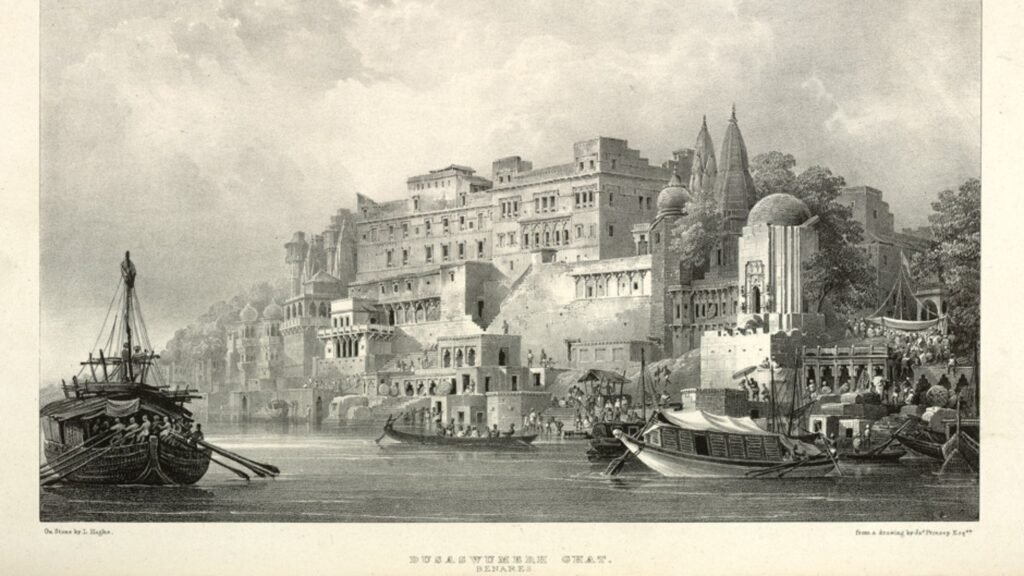
Meet James Prinsep, a gifted English scholar who produced a remarkable body of work across a diverse range of fields in the arts and sciences. But perhaps his greatest achievement as far as Indian history is concerned was his work on Brahmi, the ancient Indian script that unlocked the story of Emperor Ashoka.
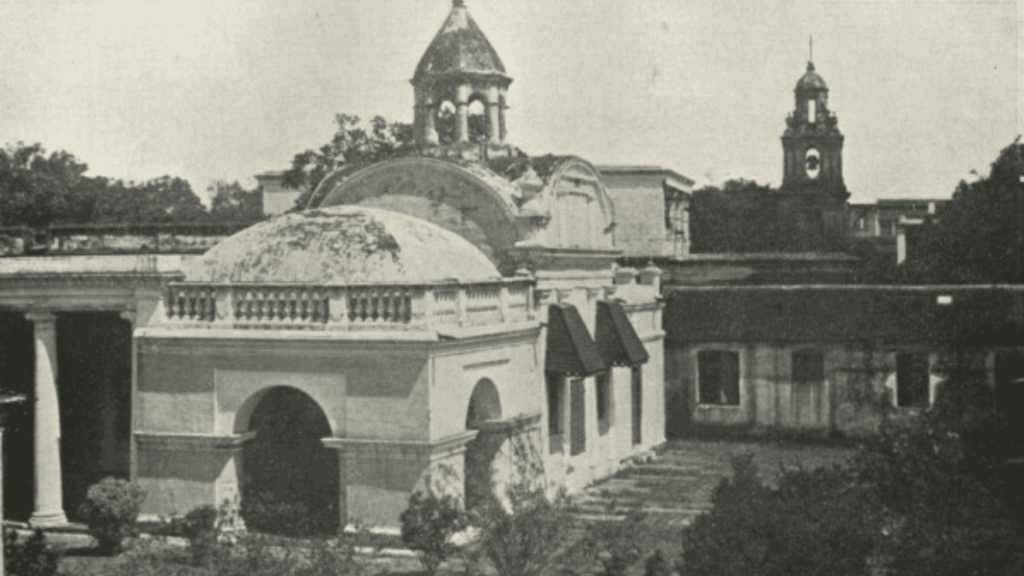
Armenians have been known to travel far and wide in pursuit of trading opportunities for centuries. And India happens to be one of the places that they share a special connection with. Coja Petrus Uscan was one of the prominent members of the Armenian community of Madras in colonial times. A rather remarkable personality, he was known for his fierce loyalty to the British in India. Read on to find out just what made him so extraordinary.
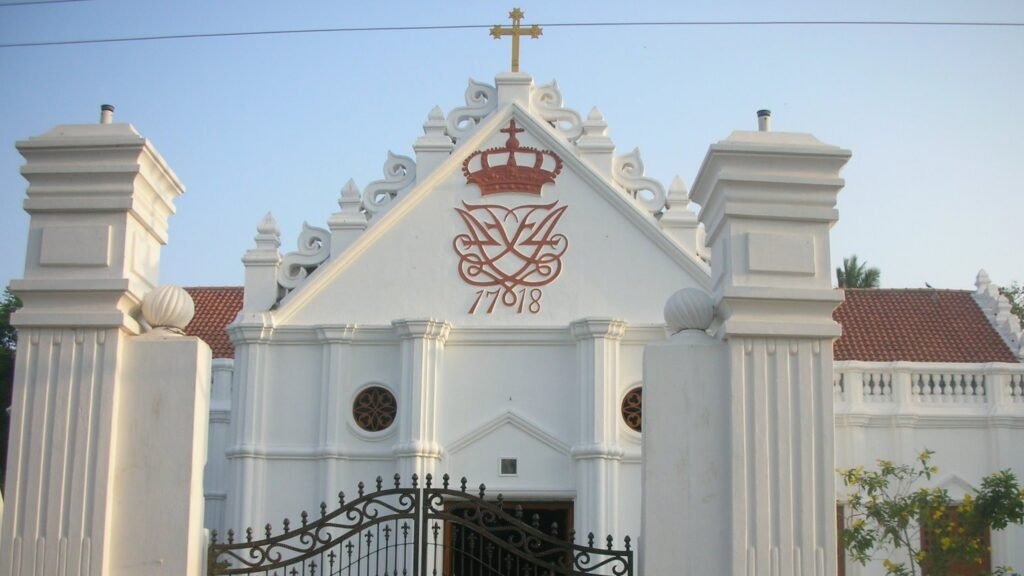
How did a German missionary preach to the locals who spoke neither Danish nor German in the Danish colony of Tranquebar? He learnt Tamil, of course. And he became so proficient at it that he translated the Bible into Tamil. This is the story of Bartholomaus Ziegenbalg, the man who published the first ever translation of the Bible in an Indian language.
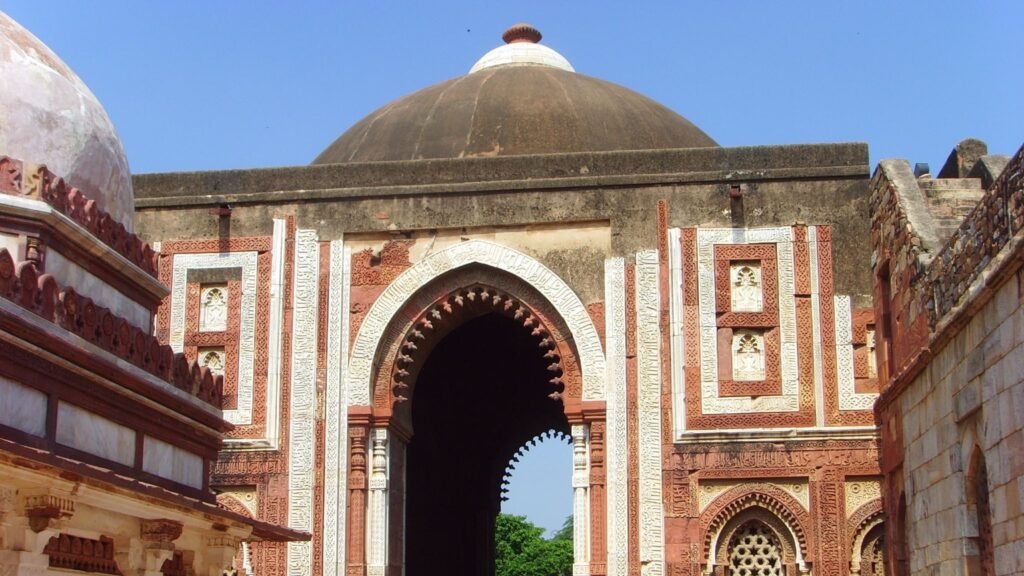
Like most kings, Alauddin Khilji wanted everlasting fame, and that’s why he commissioned grand monuments like the Alai Darwaza and the Alai Minar, a tower that was meant to be even more magnificent than the Qutub Minar.