Places Archives - Storytrails
Every sight has a story to tell

Places

Most Popular

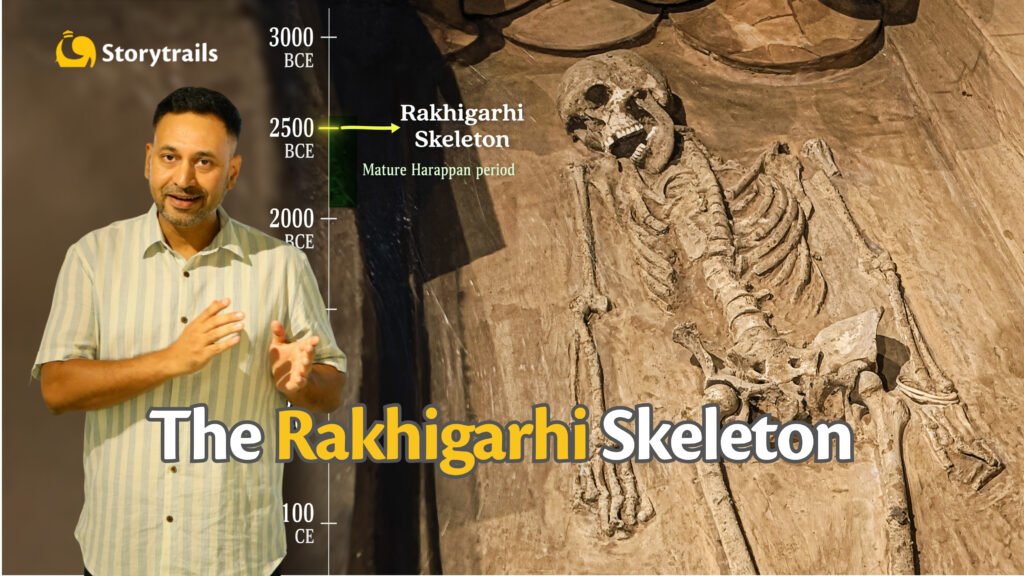
At Rakhigarhi in Haryana, archaeologists uncovered the 4500-year-old skeleton of a middle-aged woman from the Harappan period. Scientists recovered ancient DNA from her remains;
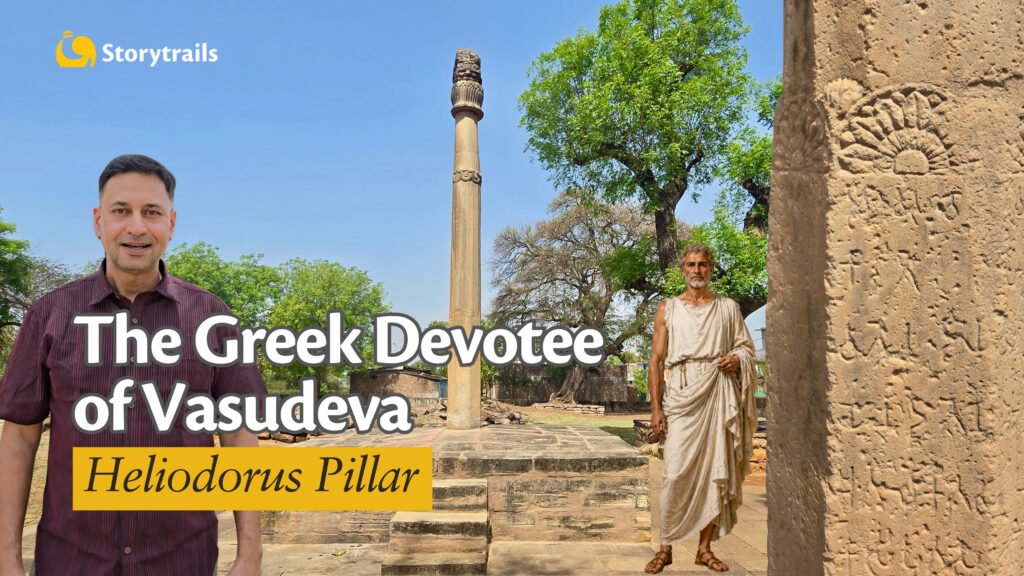
An ancient pillar that has been worshipped for centuries. And a Greek ambassador who declared himself a devotee of Vasudeva. Around the 2nd century
He pioneered the Indo-Saracenic style or architecture and built grand landmarks across India. And yet, he did not trust his own designs and never
Filters
At Rakhigarhi in Haryana, archaeologists uncovered the 4500-year-old skeleton of a middle-aged woman from the Harappan period. Scientists recovered ancient DNA from her remains; the first successful genome from a Harappan individual. What makes this discovery significant, and what does it tell us about the ancestry of Indians?
An ancient pillar that has been worshipped for centuries. And a Greek ambassador who declared himself a devotee of Vasudeva. Around the 2nd century BCE, Heliodorus, an ambassador from the Indo-Greek kingdom, erected a pillar at Besnagar in central India. Its Brahmi inscription identifies him as a devotee of Vasudeva. The Heliodorus Pillar at Vidisha offers a fascinating glimpse into the cultural exchanges that shaped ancient India.
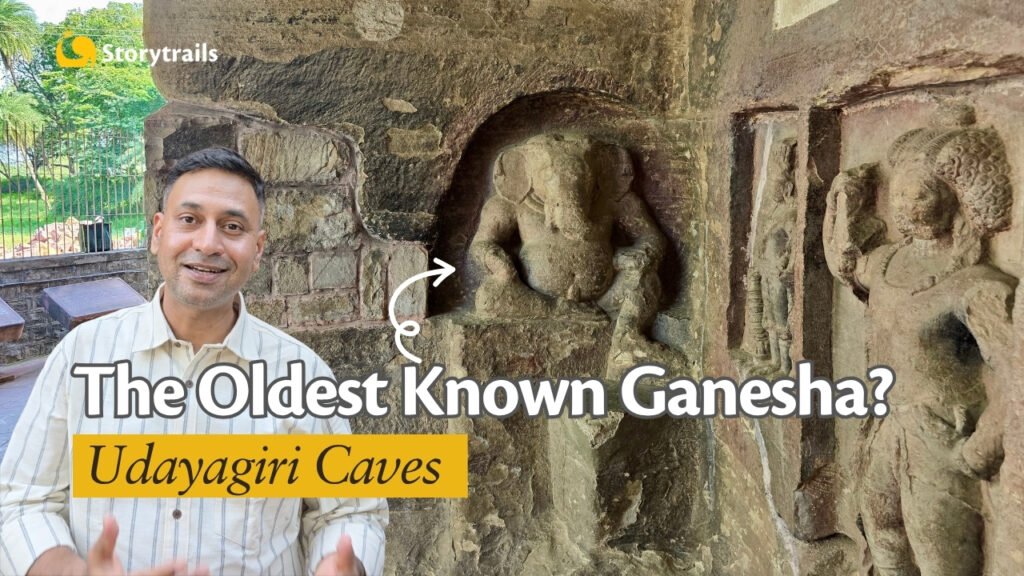
In the rock-cut shrines of the Udayagiri Caves in Madhya Pradesh sits a sculpture often described as the earliest datable image of Ganesha in India today. An inscription at the cave entrance dates the monument to 401 CE, when king Chandragupta II reigned.
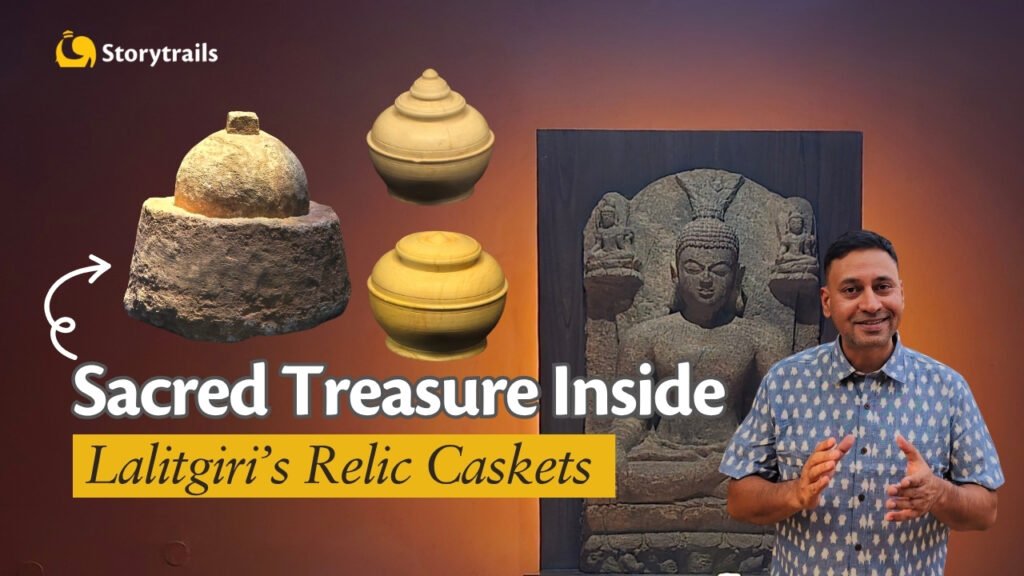
A casket within a casket… within another. Buried beneath centuries of earth at Lalitgiri, archaeologists uncovered a remarkable series of nested caskets in 1985. At their center lay a tiny gold reliquary containing relics believed to be those of the Buddha himself! It is one of the most significant Buddhist discoveries in India.
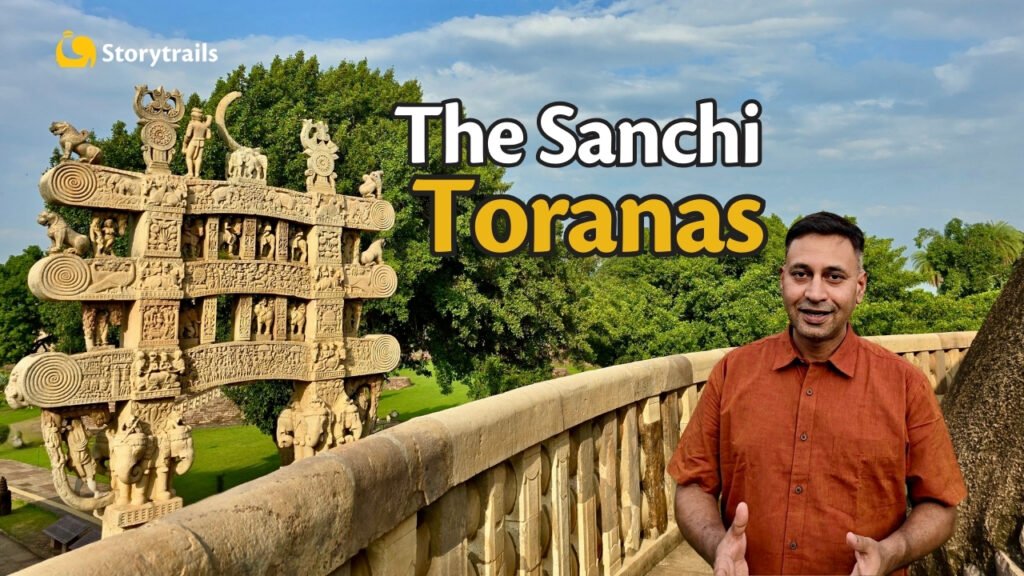
What’s common to the Torii of Japan, China’s Paifang and Korea’s Honsalmun? All these ceremonial gates have a shared inspiration - the toranas of the Sanchi Stupa in Madhya Pradesh. In the 1st c. BCE, the Satavahas built these magnificent gateways, inviting donors to sponsor panels on them. Their names are still inscribed on the railings around the stupa.
In the ravines of Chambal in Madhya Pradesh, lies Bateshwar, a complex of 200 ancient temples. For centuries they lay in ruins, swallowed by forest. Until about 20 years ago, when, K.K. Muhammed, an archaeologist with the Archaeological Survey of India, teamed up with Nirbhay Singh Gujjar, one of Chambal’s most feared dacoits, to bring the heritage site back to life. This is the story of an unusual partnership that saved Bateshwar.