A 4500-year-old seal from the Indus Valley Civilisation shows a human figure grasping two lions. Known as the ‘Master of Animals’ motif, this enigmatic
Tucked away near Bhubaneswar lies one of India’s most mysterious temples, Hirapur’s Chausath Yogini Temple. This circular, roofless shrine, built in the 9th century,
What happened to Kalinga after its devastating war with Ashoka? Did Buddhism simply sweep across the region?
A 2000-year-old inscription offers some fascinating clues.
At Rakhigarhi in Haryana, archaeologists uncovered the 4500-year-old skeleton of a middle-aged woman from the Harappan period. Scientists recovered ancient DNA from her remains;
Raja Desingu is a popular local hero whose stories continue to be told in street performances like Therukoothu, Poi-Kal-Kuthirai, and even the Burra-Katha tradition of Andhra. But the true story of the king of Gingee Fort is quite different from the romantic folk versions. So what is the real story?
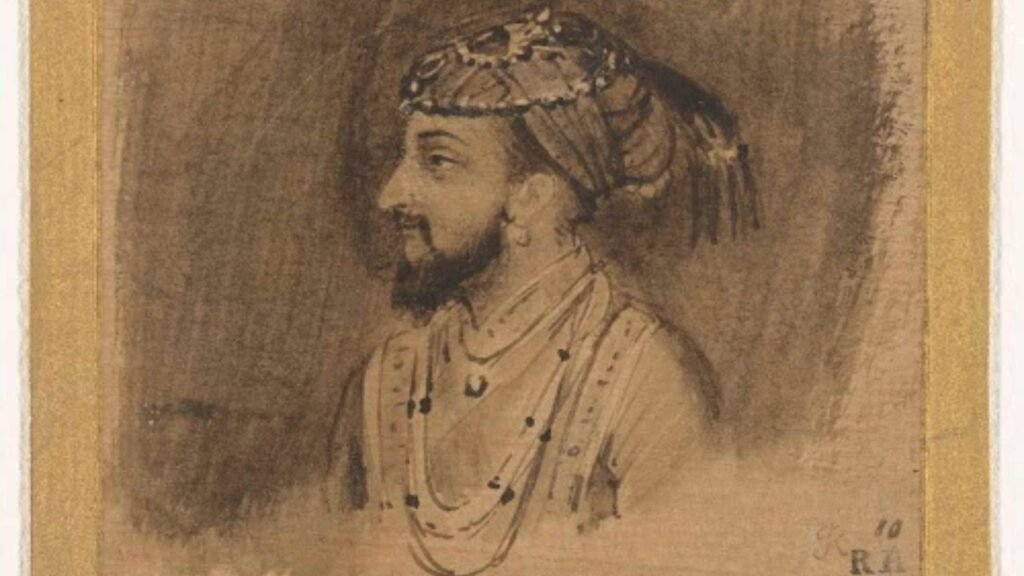
The Dutch painter Rembrandt is considered one of the masters of the Dutch Golden Age of painting. Among his paintings is a portrait of the Mughal Emperor Shah Jahan. But Rembrandt had never met Shah Jahan. So how did he paint him? Here's the story.
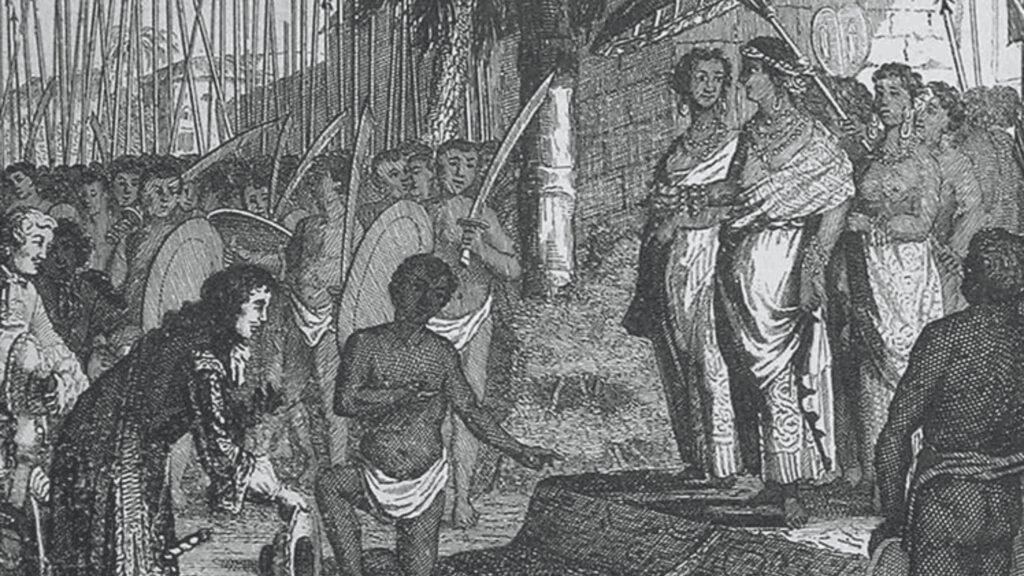
At a time when only men ruled, and women had little or no power, a queen, let alone a powerful one, was an exception. But in the late 1600s, the most formidable and respected ruler in Kerala was a queen.
Buddhism, during its golden age, inspired several unique contributions to art and architecture in India. But by the 13th century, there was almost no trace of the religion left in the country, and many of the creations inspired by Buddhism too had vanished, buried deep under layers of earth, where they lay forgotten for centuries…. Until one man named Colin Mackenzie made a spectacular discovery - the relics of Amaravati.

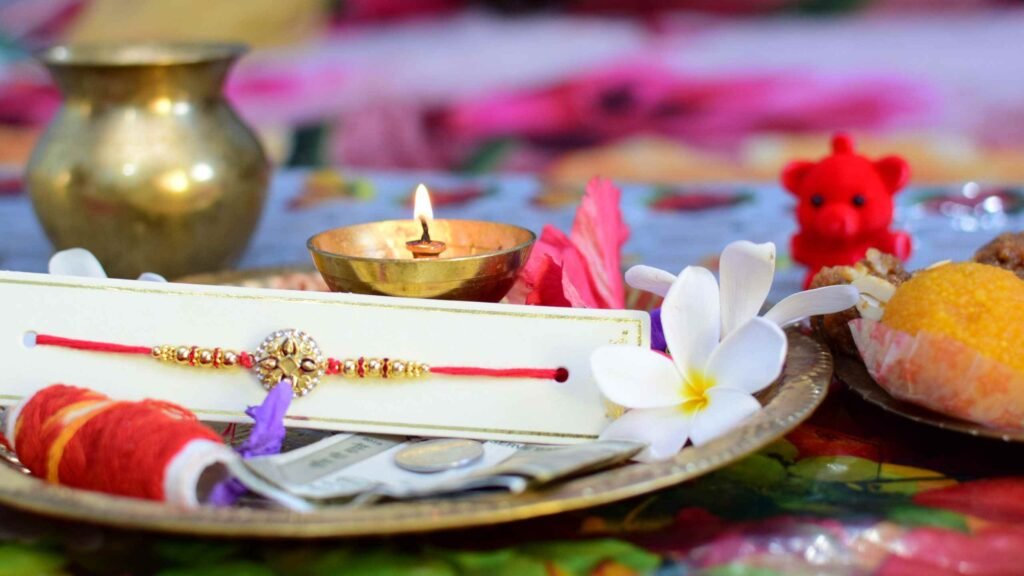
Rakhsha Bandhan, or Rakhi, is a popular festival in north India. Onam is the most important festival for the state of Kerala in south India. One celebrates the special bond between brothers and sisters; the other celebrates the return of a much-loved king. But what connects these two completely different festivals?
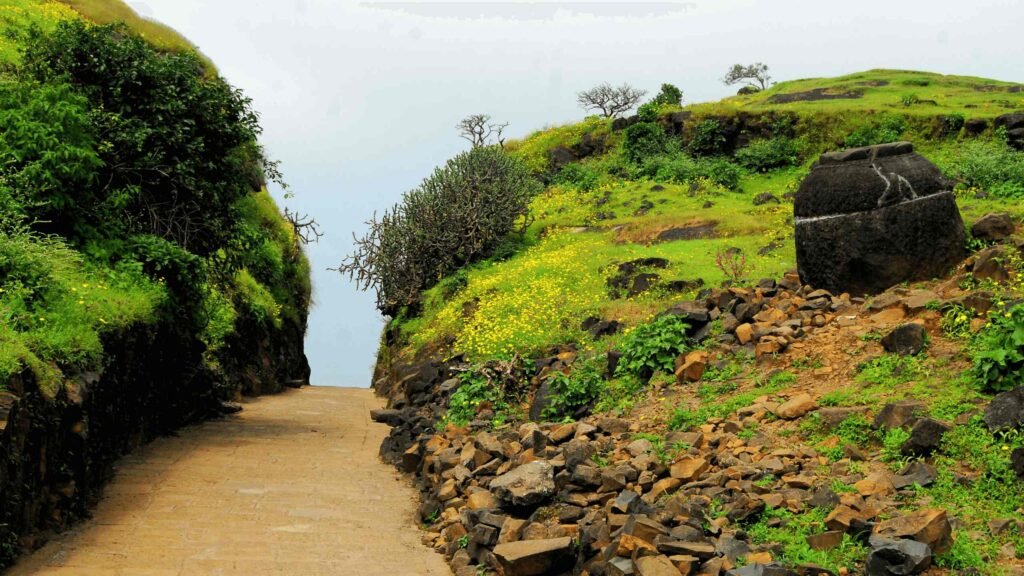
The Ajanta Cave paintings in Maharashtra date back to the 1st century BCE. These caves and their paintings were created not long after Buddha’s death under the patronage of a dynasty called the Satavahanas, a dynasty that ruled for over three centuries and greatly influenced Indian art. Who were they and what made them so successful? Historians are still figuring out the answer to that question. But a 2200-year-old pot that can be seen in Naneghat pass in Maharashtra’s Western Ghats holds a clue.
What is the connection between the Chepauk Cricket Stadium in Chennai and Nawab Wallajah of Arcot? Find out why this historical figure’s memory lives on in the various landmarks of Chennai.
You are probably familiar with the story of Ashoka, the Mauryan emperor, who laid down his weapons and took to Buddhism after a gruesome battle at Kalinga. The real story is far more complex than this simple chain of events. Did you know that he executed all his stepbrothers to seize the throne, and that his early reign was marked by high-handed cruelty? What kind of a man was Ashoka? And why did he commission edicts across India?
Shah Jahan was a great Mughal emperor. But did you know that he was neither the rightful heir nor the favourite son? How did Shah Jahan become king? This is the story of gory power struggles that put Shah Jahan on the throne of the richest kingdom in the world at that time.
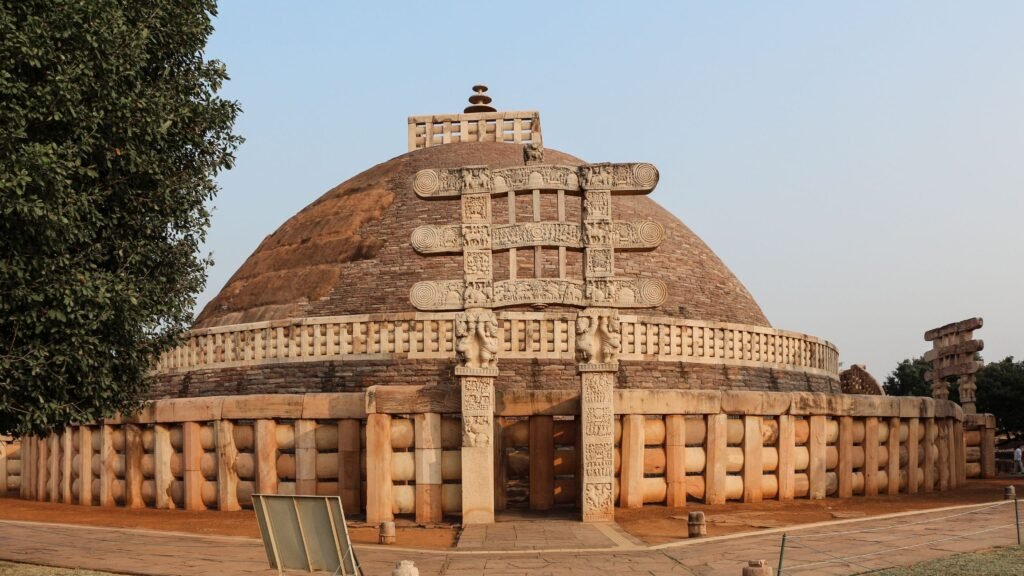
History textbooks teach us that the Sanchi Stupa was built by emperor Ashoka. However, the credit doesn't entirely go to him. Who built the stupa that stands in Sanchi today?