People Archives - Page 3 of 8 - Storytrails
Every sight has a story to tell

People

Most Popular

At Rakhigarhi in Haryana, archaeologists uncovered the 4500-year-old skeleton of a middle-aged woman from the Harappan period. Scientists recovered ancient DNA from her remains;
An ancient pillar that has been worshipped for centuries. And a Greek ambassador who declared himself a devotee of Vasudeva. Around the 2nd century
He pioneered the Indo-Saracenic style or architecture and built grand landmarks across India. And yet, he did not trust his own designs and never
Filters
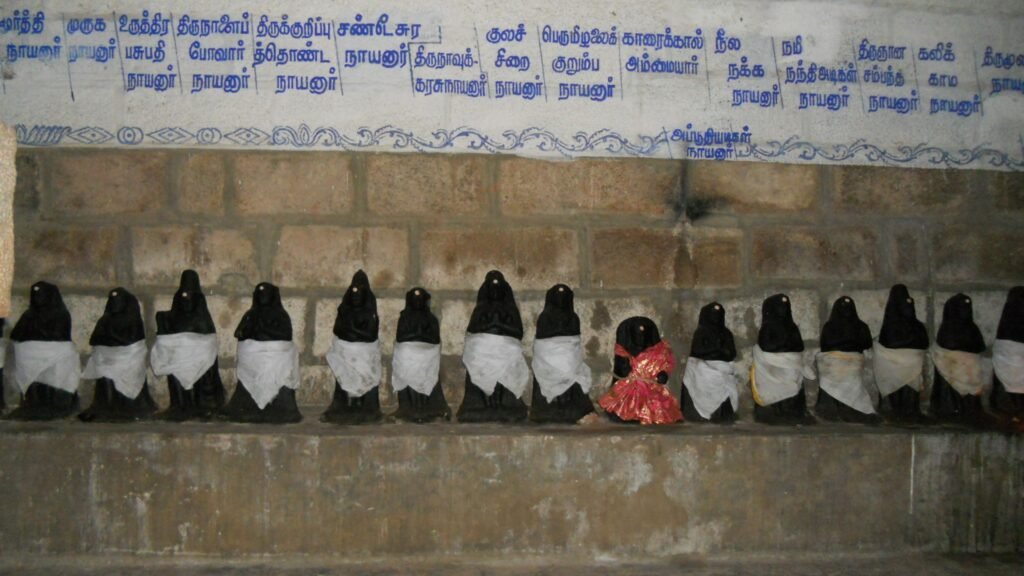
The 63 Nayanmars – poet-saints devoted to Shiva – were among the earliest ambassadors of the Bhakti movement. Karaikal Ammaiyar was one of the three women who were part of the group. Once a great beauty, she is usually depicted as a ‘ghoul’, apparently a form she begged to be blessed with! This is her story.
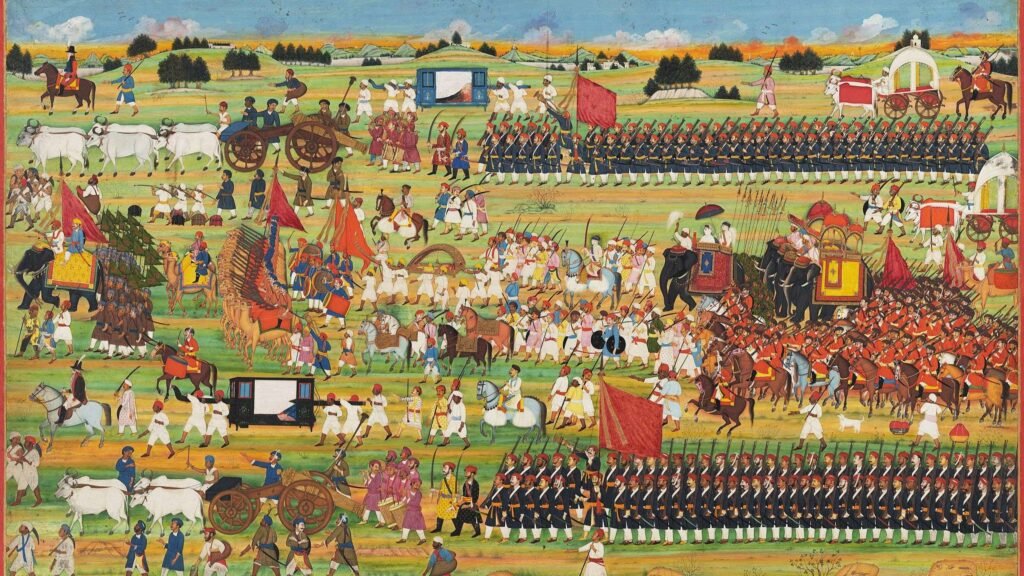
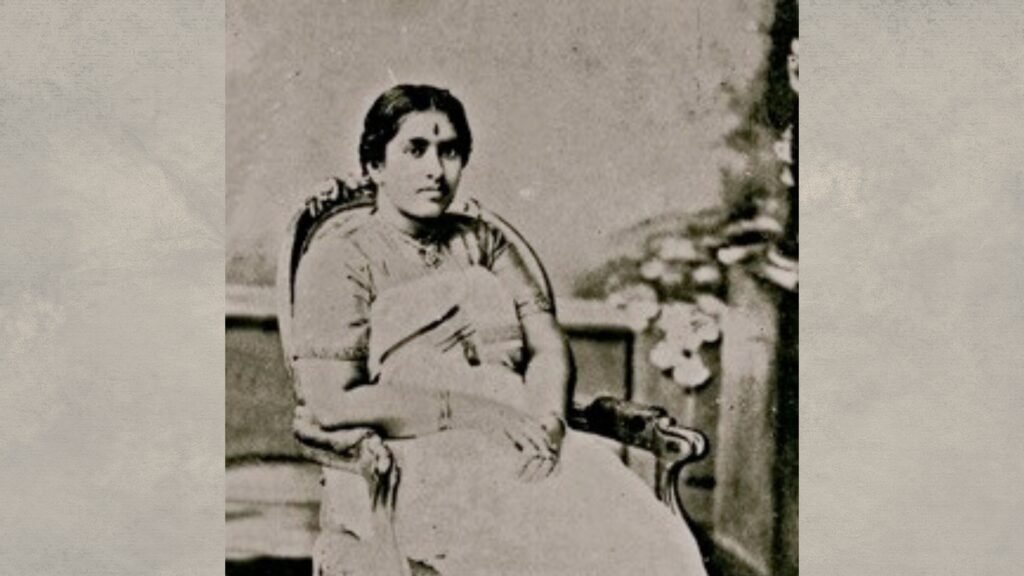
Begum Samru was the first (and last) Catholic queen in India. Despite being an orphan and later a widow, she defied all odds as she became the ruler of Sardhana in Uttar Pradesh during a tumultuous time in the country. With her political acumen and military prowess, she emerged victorious in several significant battles. Read on to explore her remarkable story.
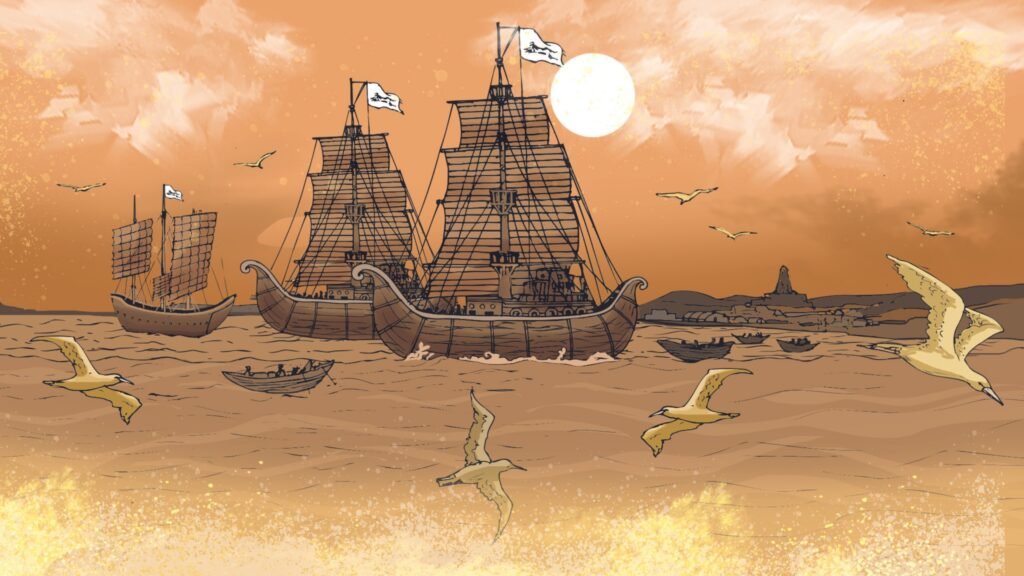
Centuries before the anti-colonial resistance in India, Rani Abbakka Chowta fought valiantly against Portuguese colonisation. As the queen of Ullal, she resisted the Portuguese navy's oppressive tactics, forged alliances, led a guerrilla army, and even eliminated their admiral. The tales of Abbakka's bravery live on in folklore and performing arts. Read on to know more about one of India's first female freedom fighters.

It was because of the system of matrilineal succession in Kerala that Sethu Lakshmi Bayi became the queen, even though she wasn’t born into the ruling dynasty. But as fate would have it, she was the one who paved the way for the end of the practice. This is the fascinating story of one of the most dynamic rulers of the Travancore kingdom.
On the 13th of April, 1919, the British Army carried out a brutal assault on a large crowd of Indians who had gathered to peacefully protest against British atrocities at Jallianwala Bagh in Amritsar. The massacre was one of the darkest episodes in the history of the Indian freedom struggle. C. Sankaran Nair, a nationalist and a celebrated lawyer, was one of the most vociferous voices against the act. This is his story.