

A 2000-Year-Old Inscription Holds The Clues | Hathigumpha Inscription - Storytrails
Every sight has a story to tell

A 2000-Year-Old Inscription Holds The Clues | Hathigumpha Inscription

What happened to Kalinga after its devastating war with Ashoka? Did Buddhism simply sweep across the region? A 2000-year-old inscription offers some fascinating clues. Carved into the walls of the Udayagiri-Khadagiri Caves in Odisha, the Hathigumpha inscription tells the remarkable story of King Kharavela, a powerful ruler who emerged in Kalinga centuries after Ashoka’s conquest.

1.King Asoka’s Kalinga War

Anandajoti, CC BY-SA 4.0 <https://creativecommons.org/licenses/by-sa/4.0>, via Wikimedia Commons

https://commons.wikimedia.org/wiki/File:179_King_Asokas_Kalinga_War.jpg

2.Ashoka with his two Queens visiting the Deer Park Sanchi Stupa

Biswarup Ganguly, CC BY 3.0 <https://creativecommons.org/licenses/by/3.0>, via Wikimedia Commons

https://commons.wikimedia.org/wiki/File:Ashoka_with_his_two_Queens_visiting_the_Deer_Park_Sanchi_Stupa_1_Southern_Gateway.jpg 

3.Buddha Statue, Udayagiri

Amartyabag, CC BY-SA 3.0 <https://creativecommons.org/licenses/by-sa/3.0>, via Wikimedia Commons

https://commons.wikimedia.org/wiki/File:Buddha_statue_at_Udayagiri_Buddhist_Complex_08.jpg 

4.Ratnagiri, Odisha

sabyasachi jana, CC BY-SA 4.0 <https://creativecommons.org/licenses/by-sa/4.0>, via Wikimedia Commons

https://commons.wikimedia.org/wiki/File:Ratnagiri_Odisha.jpg

5.Lion Statue Overlooking Dhauli Hill, Bhubaneswar

Debashis Pradhan, CC BY 3.0 <https://creativecommons.org/licenses/by/3.0>, via Wikimedia Commons

https://commons.wikimedia.org/wiki/File:Dhauli-Giri-Lion-King-Bhubaneswar-Orissa.jpg 

6.Elephant Scultpure, Dhauli

Kumar shakti, CC BY-SA 3.0 <https://creativecommons.org/licenses/by-sa/3.0>, via Wikimedia Commons

https://commons.wikimedia.org/wiki/File:Elephant-sculpture-dhauli.JPG

7.Buddhist monument at Sanchi Hill

Biswarup Ganguly, CC BY 3.0 <https://creativecommons.org/licenses/by/3.0>, via Wikimedia Commons

https://commons.wikimedia.org/wiki/File:Ashokan_Pillar_-_Stupa_1_-_Sanchi_Hill_2013-02-21_4361.JPG

8.Chandragupta Maurya and Bhadrabahu

KaeroMan, CC BY 4.0 <https://creativecommons.org/licenses/by/4.0>, via Wikimedia Commons

https://commons.wikimedia.org/wiki/File:Chandragupta_Maurya_and_Bhadrabahu_-_at_the_entrance_to_Chandragupta_Basadi_(cropped).jpg

9.Bhadrabahu Cave, Karnataka

Ilya Mauter, CC BY-SA 2.5 <https://creativecommons.org/licenses/by-sa/2.5>, via Wikimedia Commons

https://commons.wikimedia.org/wiki/File:Shravanabelagola2007_-_44.jpg

10.Barabar Caves

Sumitsurai, CC BY-SA 4.0 <https://creativecommons.org/licenses/by-sa/4.0>, via Wikimedia Commons https://commons.wikimedia.org/wiki/File:Barabar_And_Nagarjuni_Caves_(7).jpg

11.Dasaratha Maurya inscription on entrance of Gopika cave

Neil Satyam, CC BY-SA 3.0 <https://creativecommons.org/licenses/by-sa/3.0>, via Wikimedia Commons

https://commons.wikimedia.org/wiki/File:Dasaratha_Maurya_inscription_on_entrance_of_Gopika_cave.jpg

12.Ashoka pillar at Vaishali, Bihar

Bpilgrim (talk · contribs), CC BY-SA 2.5 <https://creativecommons.org/licenses/by-sa/2.5>, via Wikimedia Commons

https://commons.wikimedia.org/wiki/File:Ashoka_pillar_at_Vaishali,_Bihar,_India.jpg

13.Buddha in Sarnath Museum

พระมหาเทวประภาส วชิรญาณเมธี (ผู้ถ่าย-ปล่อยสัญญาอนุญาตภาพให้นำไปใช้ได้เพื่อการศึกษาโดยอยู่ภา่ยใต้ cc-by-sa-3.0) ผู้สร้างสรรค์ผลงาน/ส่งข้อมูลเก็บในคลังข้อมูลเสรีวิกิมีเดียคอมมอนส์ – เทวประภาส มากคล้าย, CC BY-SA 3.0 <https://creativecommons.org/licenses/by-sa/3.0>, via Wikimedia Commons

https://commons.wikimedia.org/wiki/File:Buddha_in_Sarnath_Museum_(Dhammajak_Mutra).jpg

14.Parshvanatha, Uttar Pradesh

KGBedits, CC BY-SA 4.0 <https://creativecommons.org/licenses/by-sa/4.0>, via Wikimedia Commons

https://commons.wikimedia.org/wiki/File:Kakandi.jpg

15.Vishnu of Mathura

Woudloper, CC BY-SA 4.0 <https://creativecommons.org/licenses/by-sa/4.0>, via Wikimedia Commons

https://commons.wikimedia.org/wiki/File:Vishnu_of_Mathura,_5th_century.jpg 

END OF STORY

Share:

Facebook
Twitter
LinkedIn
WhatsApp
Pinterest
Email

You might also be interested in

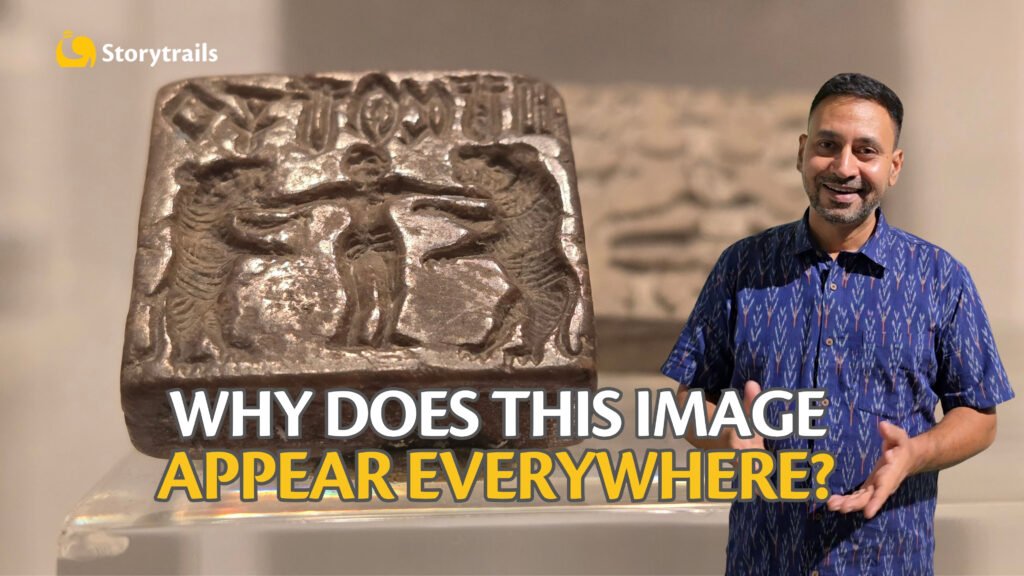
A 4500-year-old seal from the Indus Valley Civilisation shows a human figure grasping two lions. Known as the ‘Master of Animals’ motif, this enigmatic figure appears in different forms across cultures and over many centuries, stretching from Egypt to Mesopotamia. What did this image represent? And how did cultures separated by thousands of kilometres come to adopt such a strikingly similar icon?
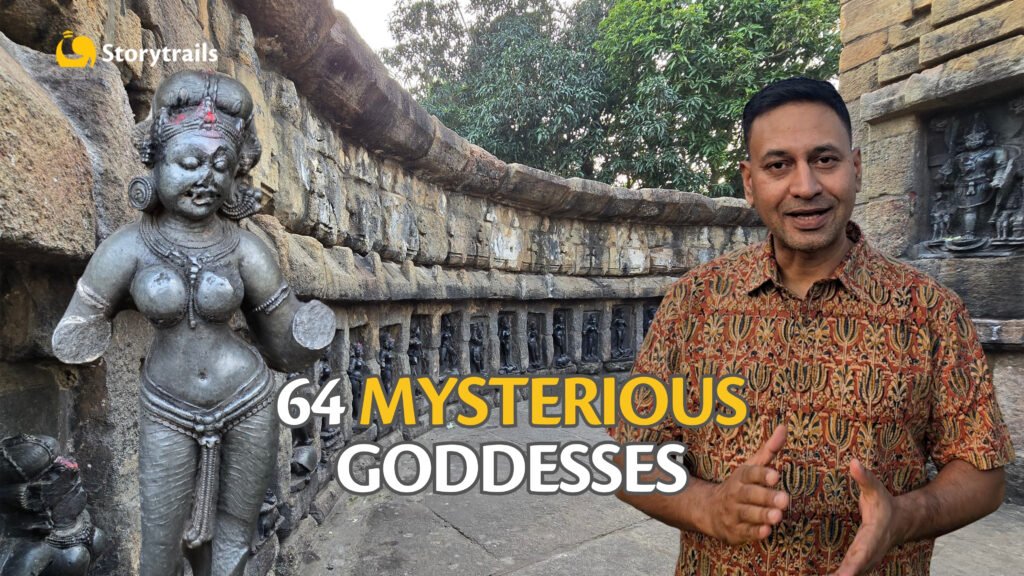
Tucked away near Bhubaneswar lies one of India’s most mysterious temples, Hirapur’s Chausath Yogini Temple. This circular, roofless shrine, built in the 9th century, is dedicated to 64 Yoginis; powerful female deities associated with Tantric traditions. The temple is lined with intricately carved Yogini figures, and offers a rare glimpse into a lesser-known spiritual world.
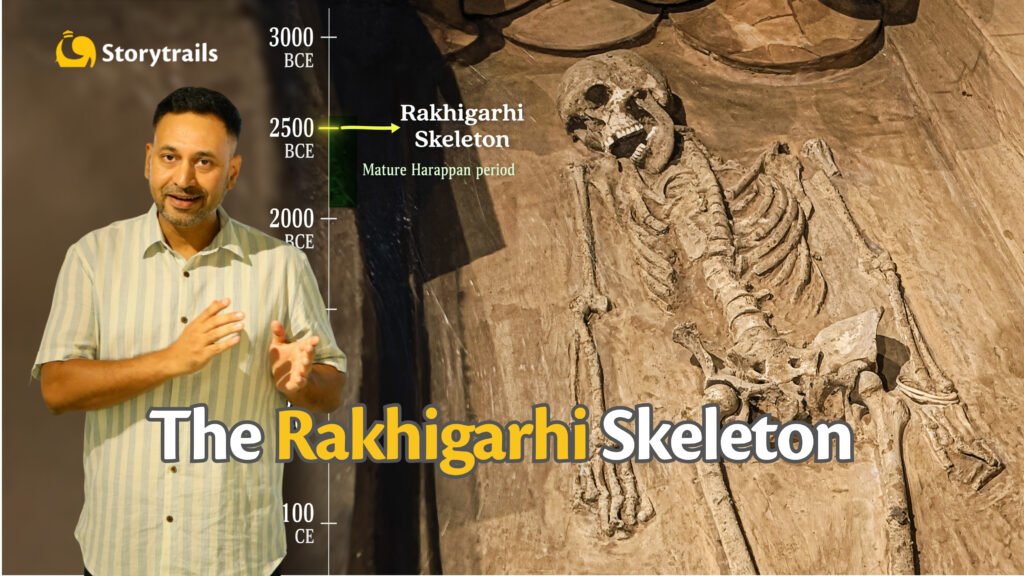
At Rakhigarhi in Haryana, archaeologists uncovered the 4500-year-old skeleton of a middle-aged woman from the Harappan period. Scientists recovered ancient DNA from her remains; the first successful genome from a Harappan individual. What makes this discovery significant, and what does it tell us about the ancestry of Indians?
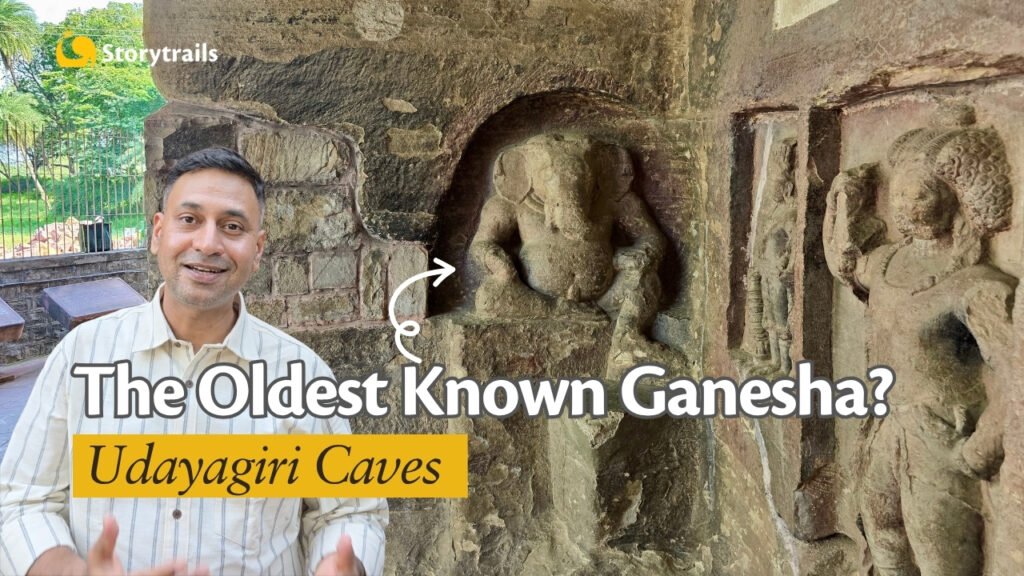
In the rock-cut shrines of the Udayagiri Caves in Madhya Pradesh sits a sculpture often described as the earliest datable image of Ganesha in India today. An inscription at the cave entrance dates the monument to 401 CE, when king Chandragupta II reigned.
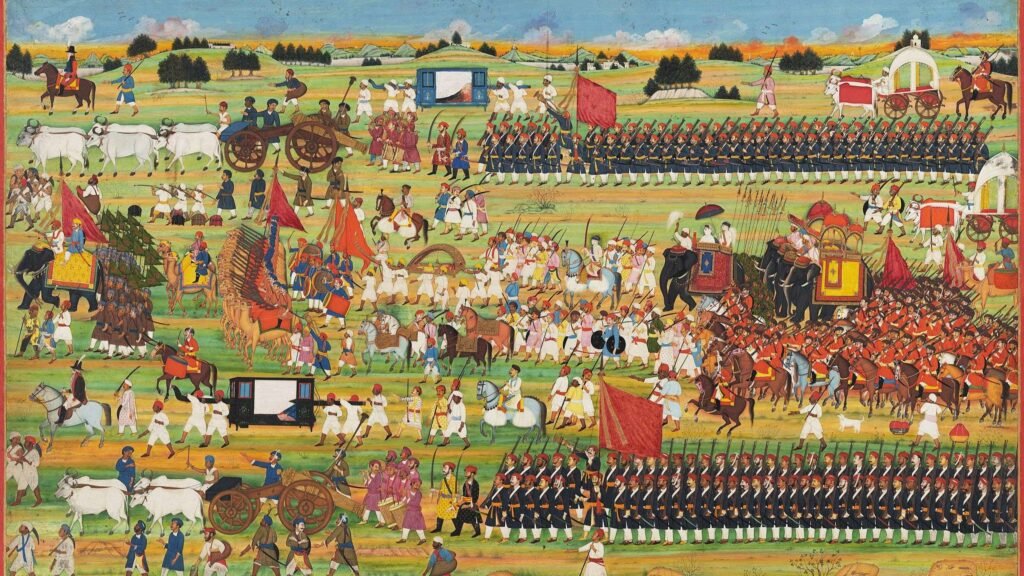
Begum Samru was the first (and last) Catholic queen in India. Despite being an orphan and later a widow, she defied all odds as she became the ruler of Sardhana in Uttar Pradesh during a tumultuous time in the country. With her political acumen and military prowess, she emerged victorious in several significant battles. Read on to explore her remarkable story.
You are probably familiar with the story of Ashoka, the Mauryan emperor, who laid down his weapons and took to Buddhism after a gruesome battle at Kalinga. The real story is far more complex than this simple chain of events. Did you know that he executed all his stepbrothers to seize the throne, and that his early reign was marked by high-handed cruelty? What kind of a man was Ashoka? And why did he commission edicts across India?
Buddha died around 483 BCE. His remains were stored in 8 stone caskets. Emperor Ashoka had an idea – a vision to spread Buddhism through these relics. How did he do it? This story explores the journey of Buddha’s cremated remains from nearly 2500 years ago to locations that have become important Buddhist pilgrimage sites, one of which is the Sanchi Stupa.