History Archives - Page 3 of 11 - Storytrails

History

Most Popular

The Bhimbetka Rock Shelters in Madhya Pradesh are among the 10 oldest prehistoric cave painting sites in the world. Some of these paintings are
The yoginis are at once, both alluring and fearsome. They had special, circular temples built for their worship, the nature of which remained esoteric.
Narasimha, the fierce half-lion, half-human form of Vishnu, is usually remembered for his wrath. But did you know there’s also a legend of him
What links a quiet Andhra town to the global fashion boom of the 17th century? Kalamkari and Chintz – intricate, handcrafted textiles that
Filters
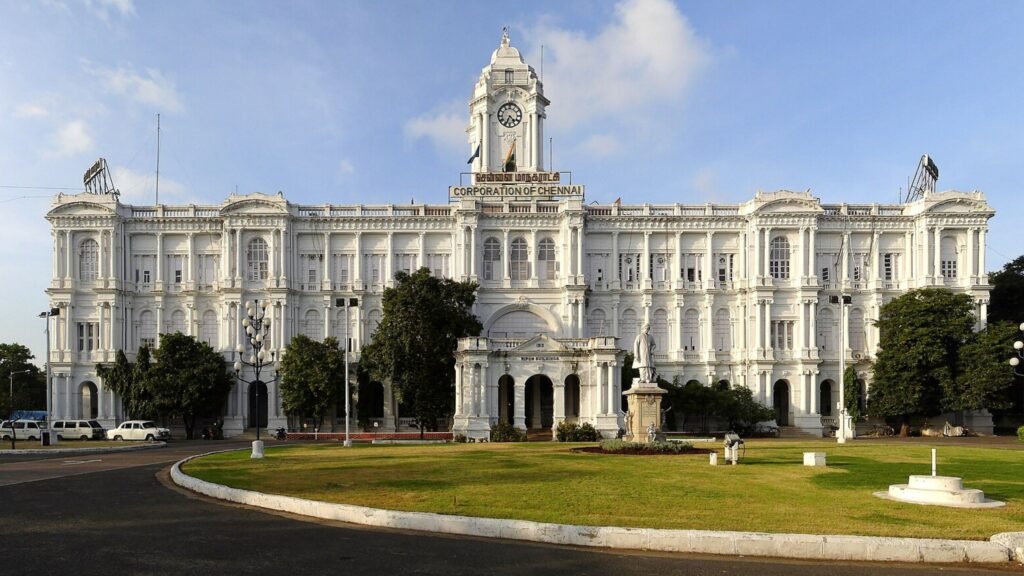
How did a British administrator come to be known as the ‘father of local self-government in India’? Read on for the story of Lord Ripon, a Viceroy of India whose liberal policies were way ahead of his times – a man who championed the cause of Indians even as his own compatriots plotted his downfall.
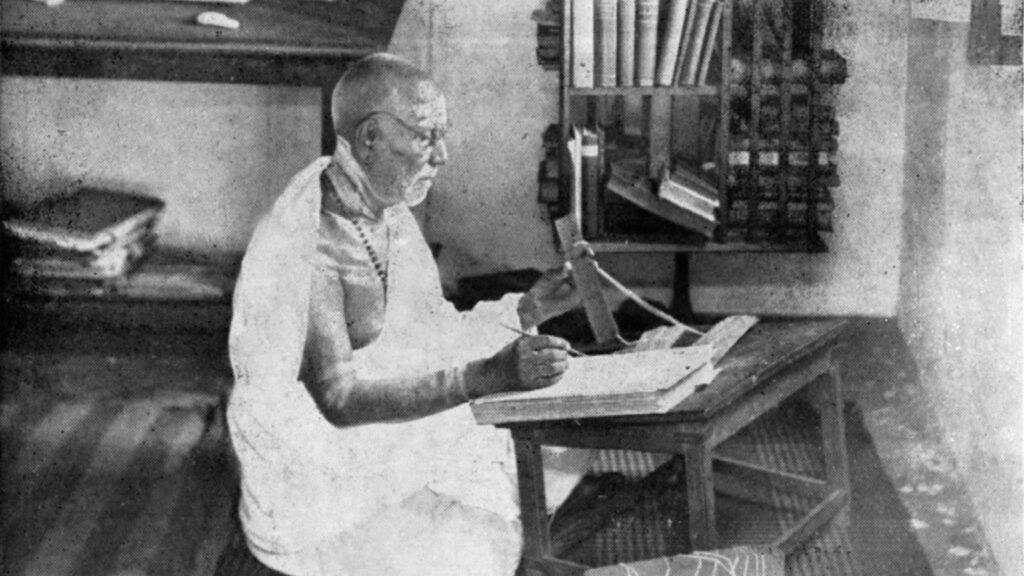
Dr. U.V. Swaminatha Iyer was only 32 when he published an edition of the great Tamil epic, Jeevaka Chintamani, on paper for the first time. This was the culmination of a seven-year quest that had taken him to the remotest corners of Tamil Nadu. Read on to know the story of the man who unearthed a treasure mine of ancient classical Tamil literature.
A lot of what we know of Mughal history has been pieced together from royal chronicles – and travellers’ accounts. Niccolao Manucci was an Italian adventurer who spent most of his life in India, during which he documented the Mughal reign in an epic work called Storia do Mogor. Read on for the story of his fascinating life.
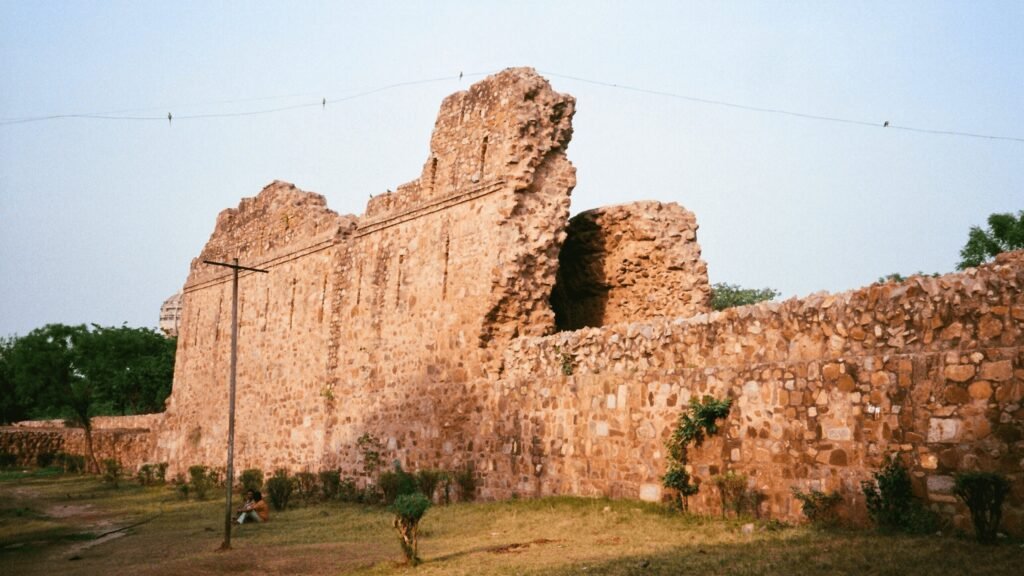
The Mongols were infamous for their remarkable conquests that spanned a vast expanse of the world. Yet, they were never able to conquer Delhi, despite it being within striking distance. Why? The answer is most likely – Alauddin Khilji. The Mongols’ repeated attempts to capture Delhi were thwarted by Khilji’s resolute defence.
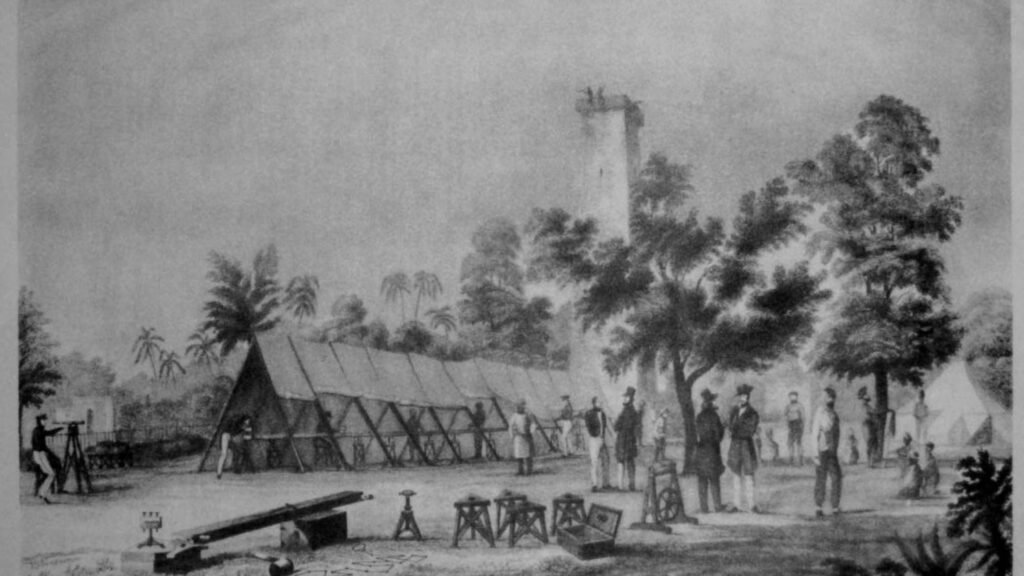
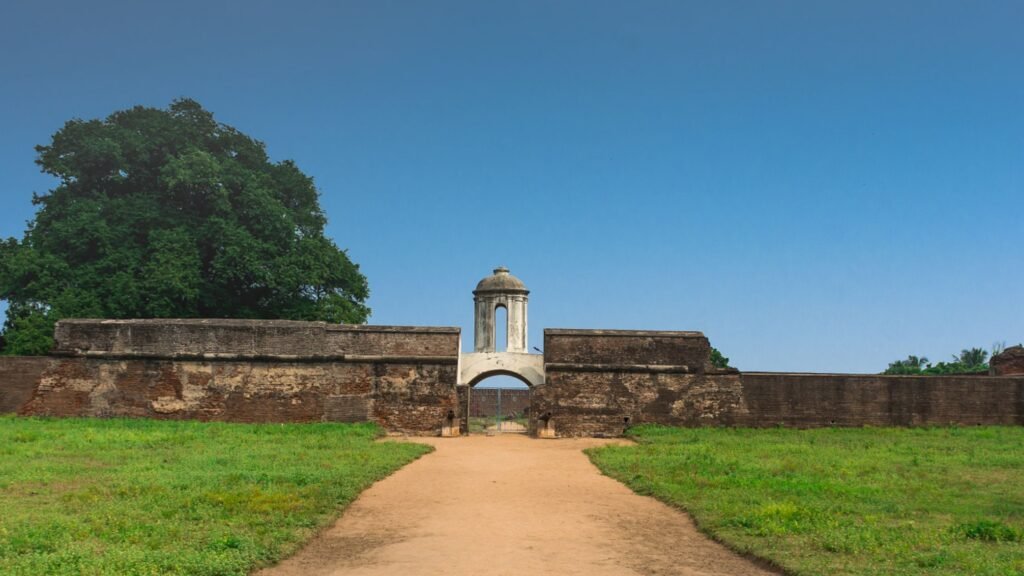
His face can be seen on Portuguese bank notes. There are gardens in Lisbon and in Goa that are named after him. He wrote one of the first books printed in India. And yet, his body was actually dug up and burned in a posthumous public denouncement. This is the story of Garcia de Orta, a Portuguese physician who fled to India.
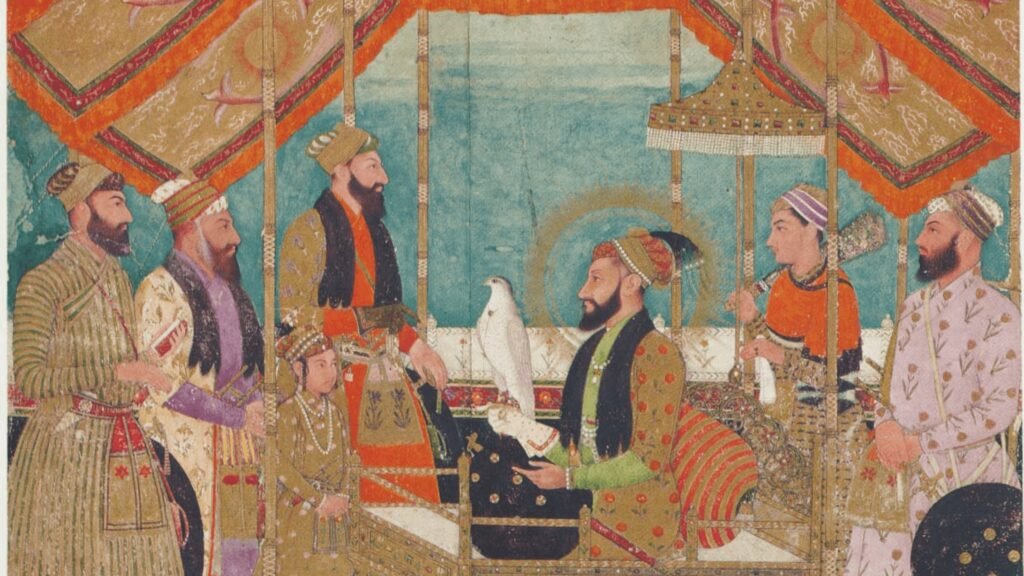
The women of the Mughal Empire were not mere ornaments in the imperial court. They were educated, artistic and commercially and politically savvy, and significantly influenced government decisions even during Aurangzeb’s dictatorial reign. Read on for the remarkable story of Aurangzeb’s sisters.