
The Ancient City Of Vadnagar
Did you know that Vadnagar is one of the oldest, continuously inhabited cities in India?
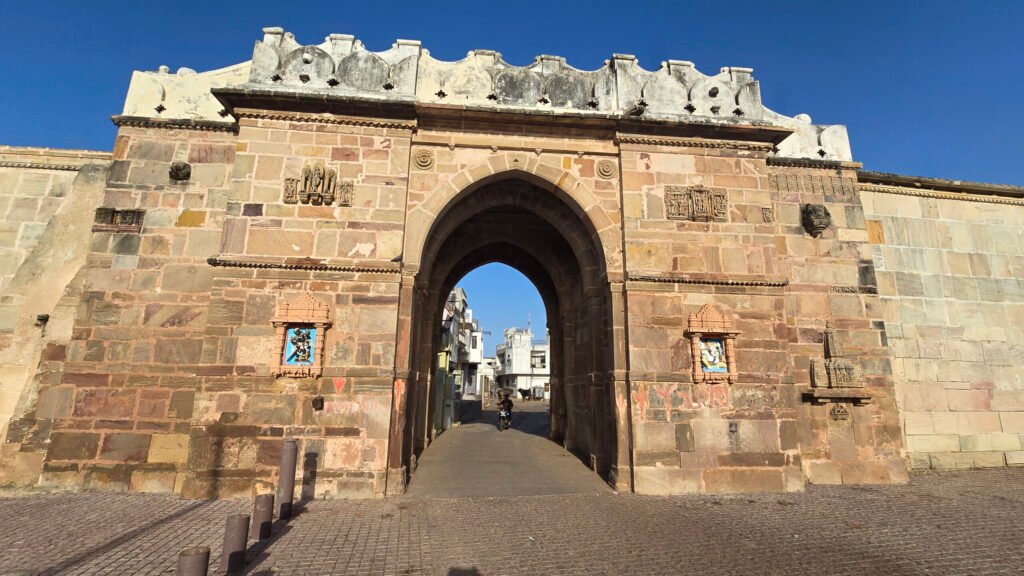
From the Vadnagar Railway station, head North for about 300 metres and turn right towards Nadiol Darwaja.
This is the Nadiol gate, one of the six historic gates of Vadnagar.
Did you know that you are in one of the oldest, continuously inhabited cities in India?
When we think of ancient Indian cities, names like Varanasi, Ujjain or Madurai come to mind. These are cities that grew along mighty, sacred rivers. Vadnagar, however, is different. It does not stand on a great perennial river, but beside the quiet Sharmishtha Lake that is fed by the seasonal Kapila river. And yet, this town has survived for over 2,500 years. Just how did that happen? We’ll explore that on this tour, as we visit some of the town’s water bodies and learn more about the ingenious systems that sustained life here.
On the other side of this entrance is a town that was at different times called Chamatkarpur, Shunkarpur, Anandpur, Anartpur, and Vriddh Nagar; names that appear in ancient texts like the Mahabharata and the Skanda Purana. We will walk through this walled part of the town a little later on the tour. But Vadnagar was not just ancient, it was important.
It stood at the crossroads of two major trade routes: one linking Central India to Sindh and the Northwest, and another connecting the Gujarat coast to Rajasthan and North India. Traders, pilgrims, monks, and armies all passed through here. Think of it as a ‘land port’, a place where goods from distant lands were gathered, exchanged, and sent onwards.
Naturally, such a thriving land was the target of invasions. Over the centuries, Vadnagar passed through many hands; from early settlements around 500 BCE to the Mauryans, the Indo-Greeks, the Kshatrapas, the Solankis, the Delhi and Gujarat Sultanates, the Mughals, the Gaekwads and finally the British. Each era left its mark. Forts were built, destroyed and rebuilt. On this tour, you will see the ruins of fort walls and gates built by the Solankis who ruled between the 10th and the 13th centuries. It is believed that Vadnagar reached its peak during their reign. Archaeologists have found even older layers of fortifications beneath these structures, revealing just how ancient this town is.
Vadnagar’s spiritual landscape has been just as layered. Here, the worship of mainstream Hindu gods coexisted with local guardian deities like Sheetala Mata, and Sikotara Mata who is revered by seafaring communities. Over time, Buddhism and Jainism also took root and flourished here, leaving behind monasteries, temples, and lasting influences on the town’s culture and way of life. This tour will take you through some of these spaces.
As we go along, we’ll walk through historic gates built by Solanki kings, explore neighbourhoods that still reflect traditional living, and end our tour at the experiential archaeological museum, where you can see the physical remains of these centuries: Roman coins and seals, Mesopotamian pottery, shell bangles and more. So take a step forward, Vadnagar has many stories to tell!

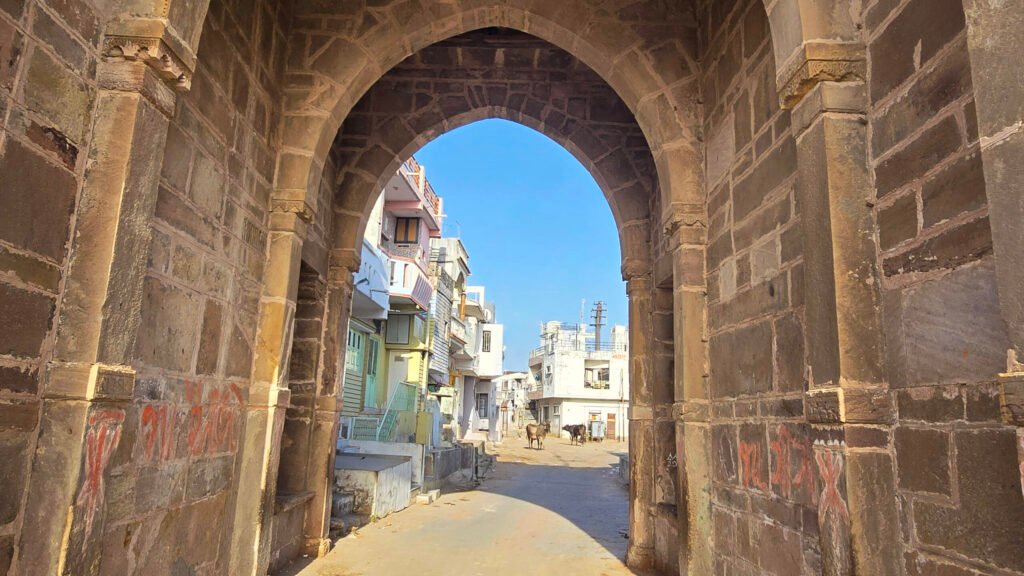
Nadiol Darwaja
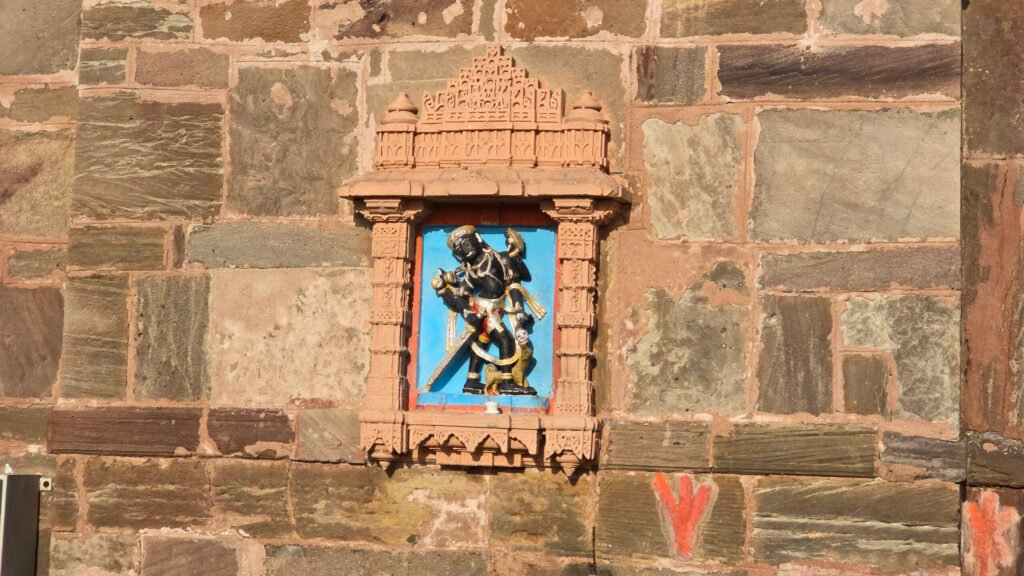
Nadiol Darwaja
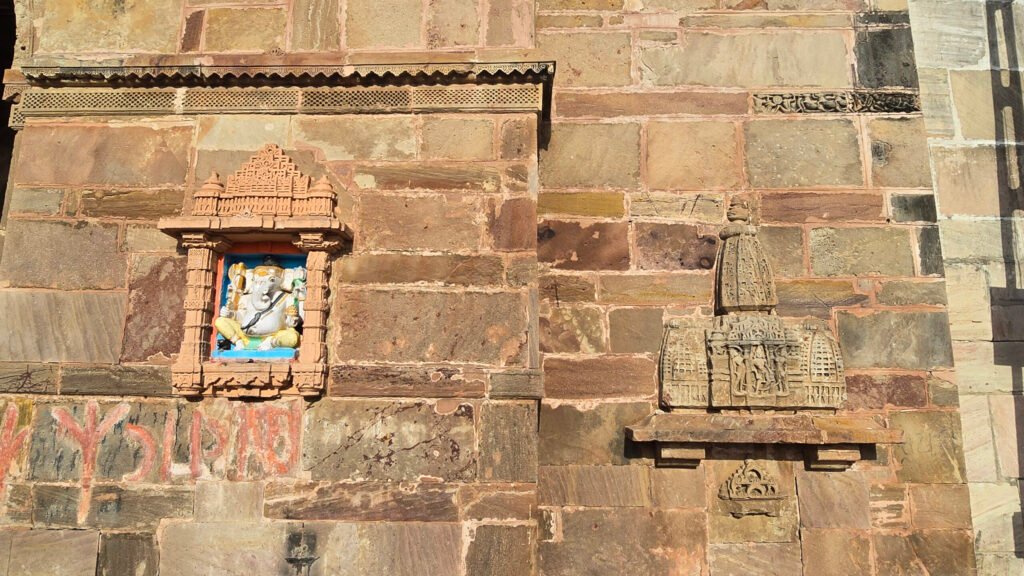
Nadiol Darwaja
Explore More
India’s oldest living city | The Hindu
A deep archaeological excavation at Vadnagar shows evidence of a human settlement that is as old as 800 BCE
Vadnagar – A multi-layered historic town | WHC-UNESCO
Tentative list of UNESCO's World Heritage Convention