
Meriah human sacrifice post
A wooden slab tells the tale of a tribe's practice of sacrificing humans for fertile lands.
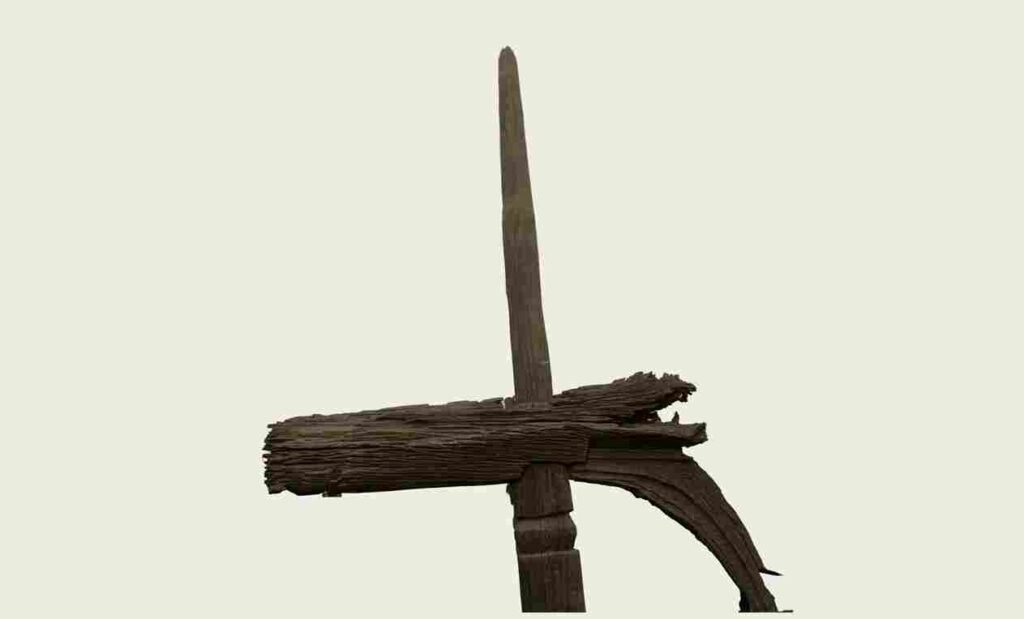
The wooden exhibit that you see here was at one time used as a post for human sacrifice. This practice was once common among a tribe called the Khond tribe who live in parts of Andhra Pradesh and Orissa. The sacrifice was usually a prayer to their earth goddess for fertile lands. The victims, both male and female, were called Meriahs, and were purchased from neighbouring districts and treated well until the sacrifice. Before the sacrifice, they would be intoxicated with toddy, anointed with oil and tied to the horizontal wooden slab. They would then be rotated around the vertical pole before being killed with a sacrificial knife. In the late 19th century, the British abolished this practice. Today they sacrifice a buffalo as a substitute offering to the earth goddess. This Meriah human sacrifice post was brought to this museum at the end of the 19th century from Baligudu in Ganjam district of Odisha. It is the only available specimen in India today. The Ethnology gallery on the first floor of this Museum building showcases many more artifacts belonging to various tribal groups of the Madras presidency.
This free audio tour is brought to you thanks to the generous support of Pando. Visit pando.ai to learn more about them.

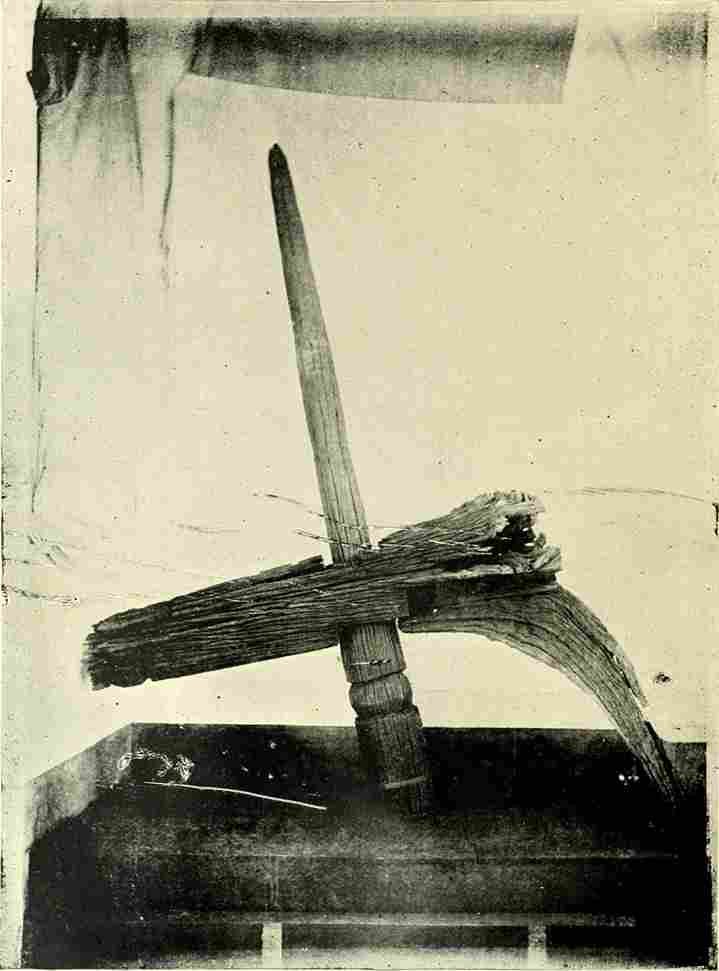
Image of Meriah human sacrifice post from the book 'Castes and Tribes of Southern India' by Edgar Thurston and K. Rangachari, 1909
Flickr