When did Jainism arrive in south India?
This is the story of a time when three religions coexisted in Tamil Nadu and left their mark on its culture and art.
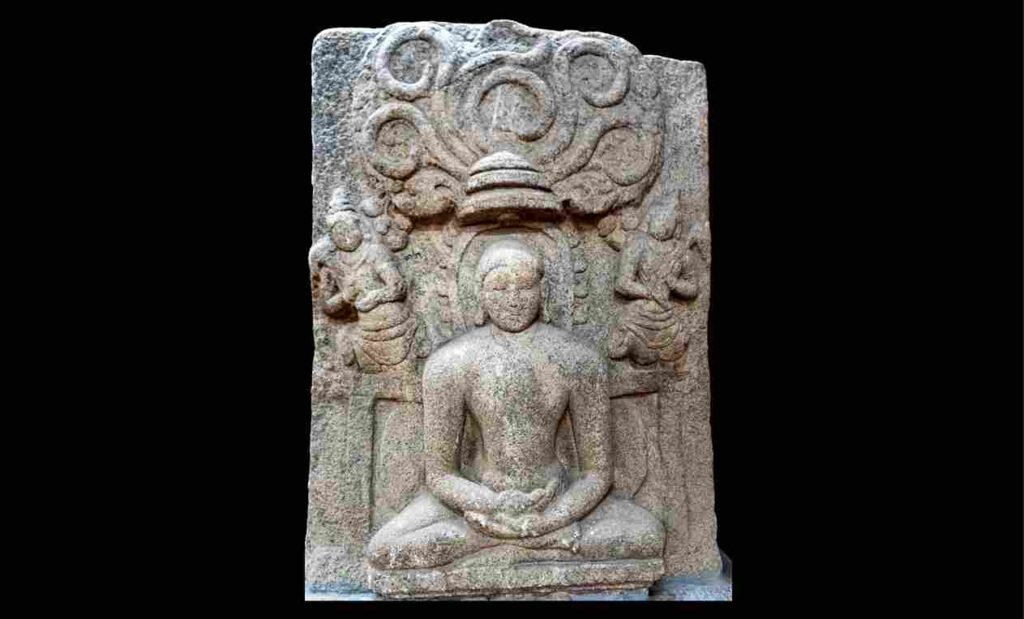
From the Amaravati Gallery, walk towards the room marked 'Jain sculptures gallery'. You can play this story at the entrance to this gallery.
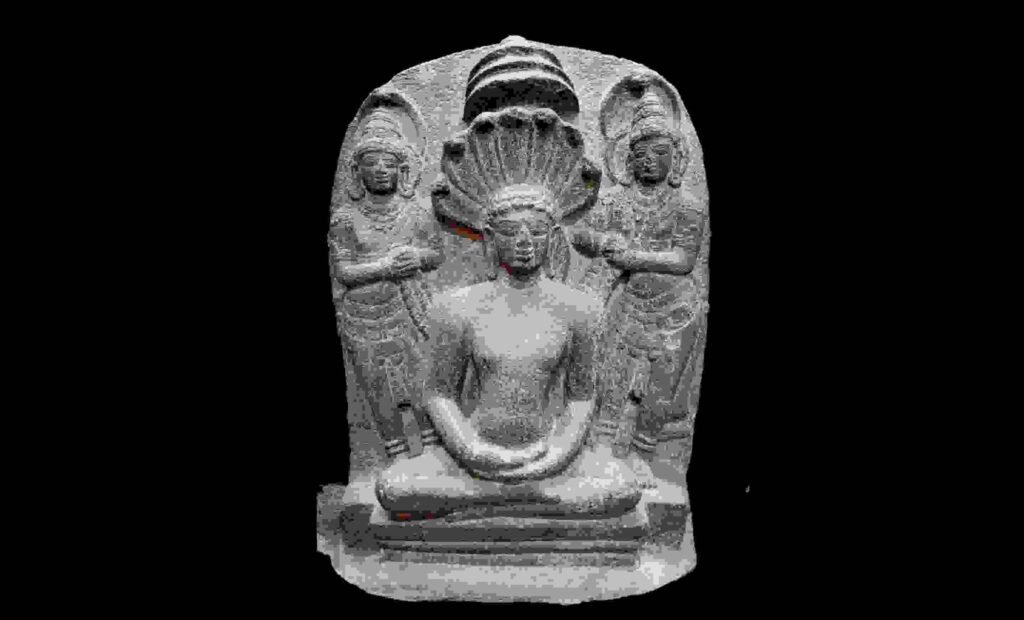
This gallery showcases Jain sculptures from South India.
Jainism started becoming popular around the 8th century BCE in North India. Alongside Buddhism, Jainism too gained popularity during the first six centuries of this millenium.
When did Jainism arrive in South India? Some historians believe that it reached Karnataka and Tamil Nadu as early as the third century BCE and is said to have flourished here between the 1st and the 5th centuries CE. Kings from all the four big dynasties of south India - the Cholas, Cheras, Pandyas and Pallavas took to this religion at one time or the other.
In those days, kingdoms in India were not strictly aligned with any one religion. Take for example, King Ashoka, who was largely responsible for spreading Buddhism across the country. His grandfather, Chandragupta Maurya, was a Jain. One of the greatest Pallava kings, Mahendra Varman I, who ruled in the early 7th century started life as a Hindu, converted to Jainism and then later converted back to Hinduism.
We know this from the writings of the great Chinese scholar Hiuen Tsang who visited Kancheepuram in the 7th century CE when the Pallavas were at their peak. At that time, Kancheepuram had many Buddhist monasteries and Jain temples. So it was not uncommon for monasteries to be converted into Hindu temples, and for Hindu temples to be converted into Jain temples.
This meant that the three religions coexisted and all three left their marks on local art and literature. At least two of the 5 ancient Tamil epics were Jain compositions. Silapathikaram, the earliest surviving epic in Tamil literature is believed to have been written by a Jain poet-prince.
By the 7th century CE, Jainism started declining in South India. Like Buddhism, Jainism too was affected by the Hindu Bhakti movement between the 6th and 8th century CE. It lost royal patronage, and the number of followers slowly dwindled. Across South India, you can still find remnants of ancient Jainism in the form of Jain cave shelters and age old Jain temples.
Today, in Tamil Nadu, you will find a small group of Tamil Jains, who are descendants of those who took to Jainism nearly 2000 years ago. You will also find descendants of North Indian Jains from states like Rajasthan or Gujarat, who came to Tamil Nadu more recently - in the last two centuries or so - for trade and livelihood, bringing with them their own languages and customs, and settling alongside their Tamil counterparts.

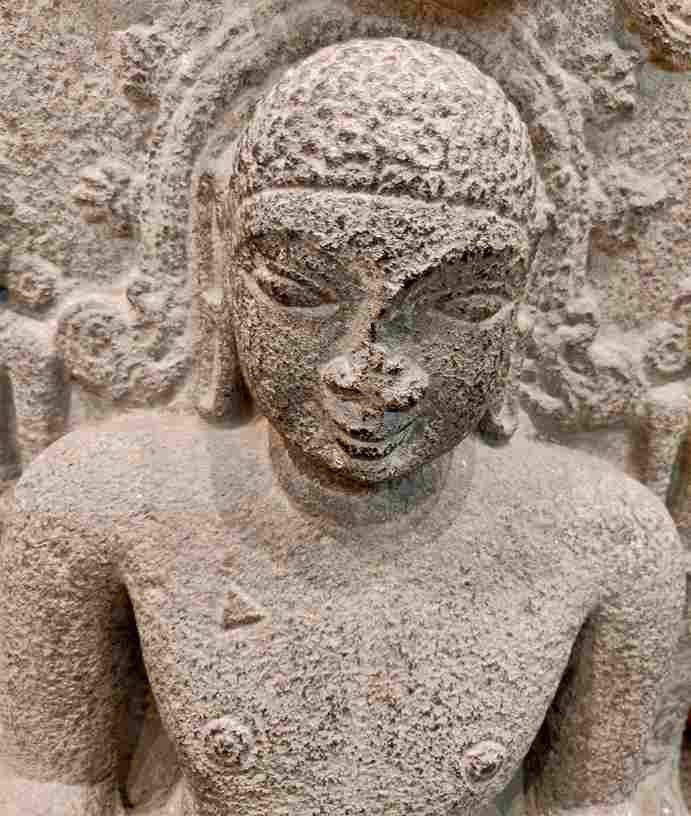
Statue of a Jain Tirthankara, North Arcot dist., 10th century CE. You can see the triangular Shrivatsa mark prominently carved on the chest.