Burial practices in ancient Tamil Nadu
This story takes you through the funeral practices of ancient Tamils.
Walk to the other end of the Adichanallur Gallery where you can see pots and large burial urns displayed. Play this story there.
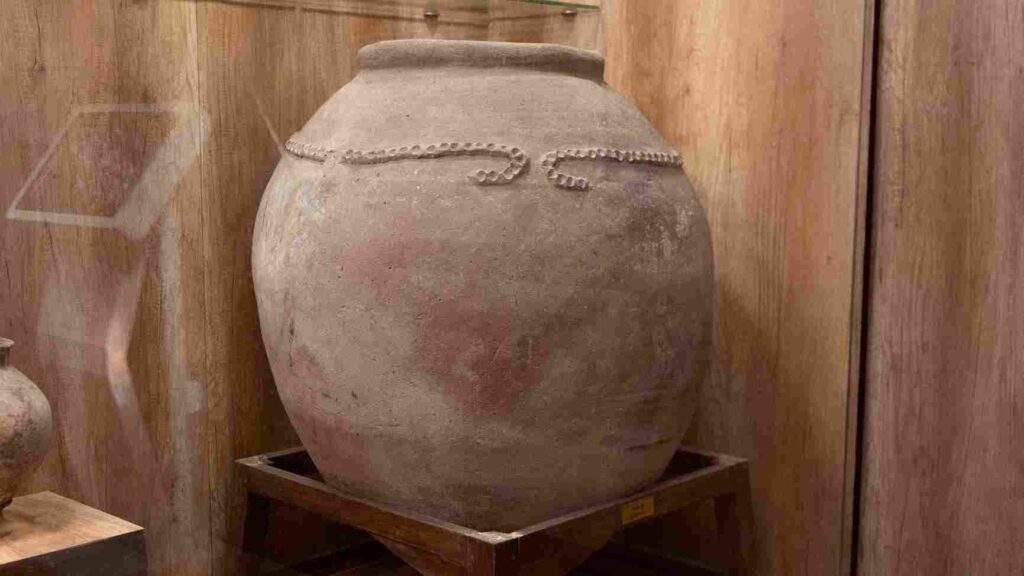
What you see here is a burial urn…one of the many found at Adichanallur. What exactly is a burial urn? Ancient civilisations across the world dealt with the idea of death in various ways. Egyptians, for instance, believed that the dead must be carefully preserved. The objects they used in their lifetime were also buried with them. Such objects are called ‘grave goods’, and they can tell archaeologists a lot about the societies they came from. That’s why archaeologists are ghoulishly fascinated by graves.
Closer home, the Indus Valley Civilisation covered a very large area. So in different places, and at different points in time, different kinds of practices are visible. Burial was common back then.
Ancient Hindus, Buddhists and Jains believed that a person would be born again and again. So in many civilisations after the Indus Valley, cremation was the norm.
Sangam literature gives us a lot of information about the funeral practices of ancient Tamils. These too varied widely across places.
‘Suduvor’ refers to those who cremated the dead, like most Hindus do today.
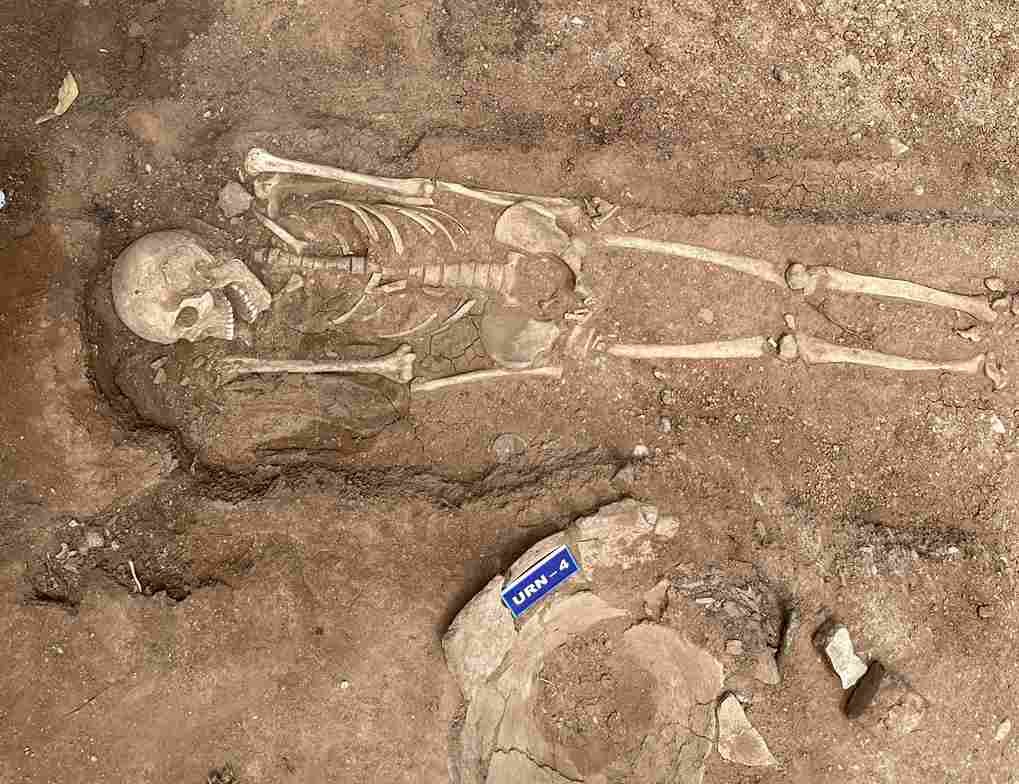
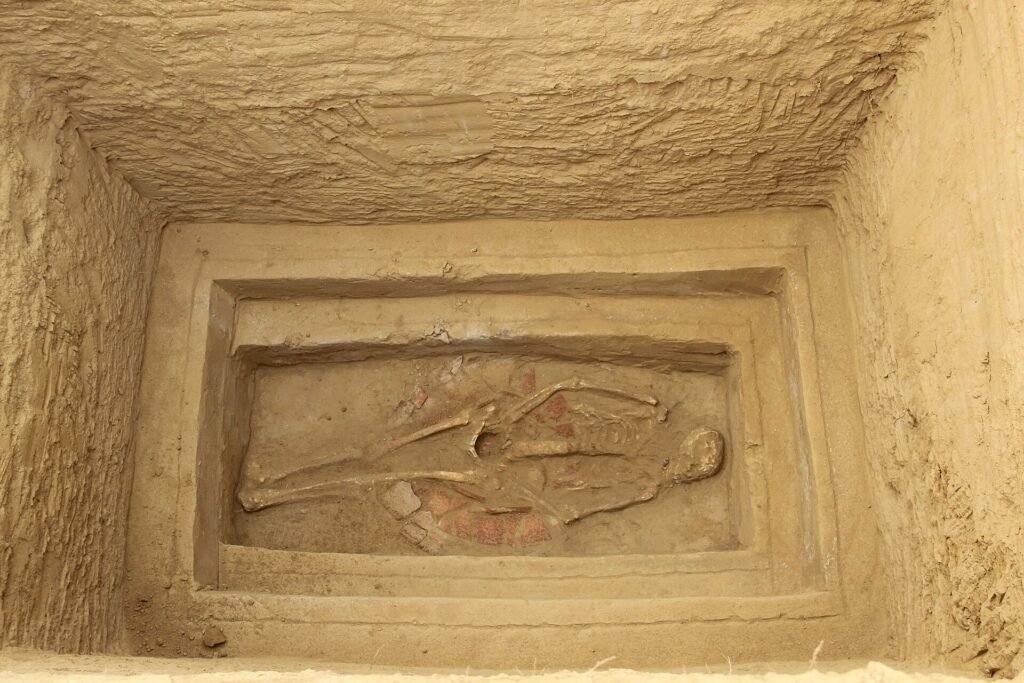
‘Todu Kuzhi paduppor’ referred to people who used pit burials, where a pit is dug, and the body is lowered into it, similar to burials practised today. Stone memorials were an important part in many rituals back then.
‘Iduvor’ were people who laid the body to rest on an open ground, so that it could be acted upon by birds of prey, and natural elements. The bones were then buried in an urn - a secondary burial as archaeologists call it.
Sometimes the body was cremated and then the ashes were collected and preserved in urns like these.
But these urns were often used for primary burials as well. Sangam literature mentions one other type of burial - ‘Mudumakkal taazhi’. In this, a very old and infirm person, who’s completely lost their faculties and does not have long to live, is gently lowered into a large urn, and looked after until death. Once they died, the pot itself was buried, sometimes with grave goods and even food. The practice of Mudumakkal taazhi is said to be at least 3000 years old. Evidence of this practice can be seen in burial urns found at Korkai, near Adichanallur.

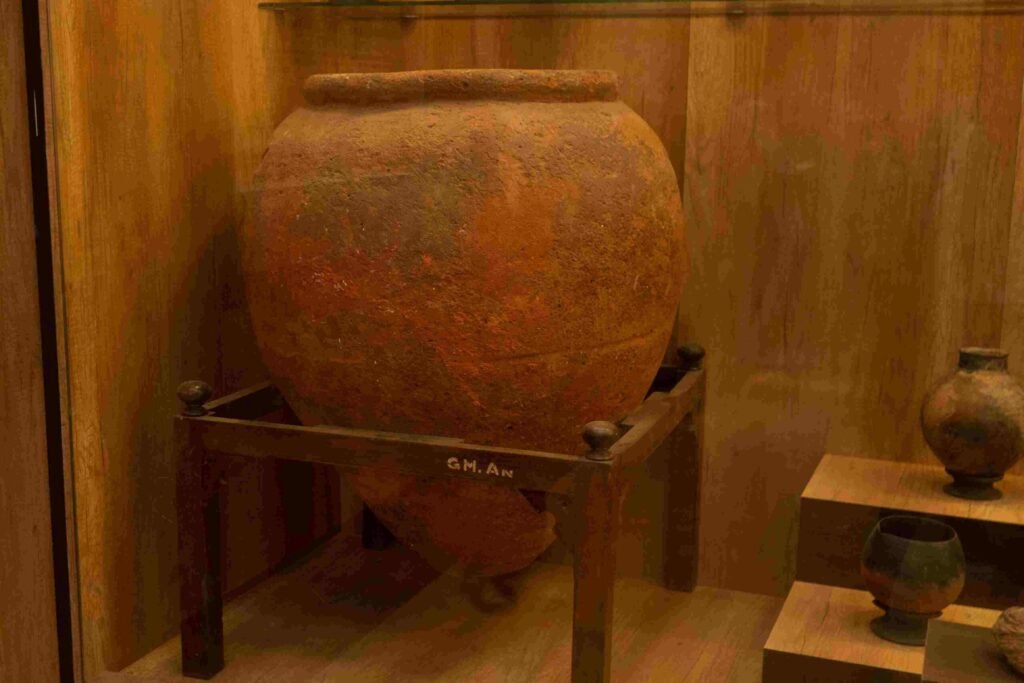
Burial urn, Adichanallur, TN