
Amther Mata and Sikotara Mata
This temple is among the oldest active shrines in the region, and this story explores two forms of the mother goddess especially revered in Gujarat and Rajasthan - Amther Mata and Sikotara Mata.
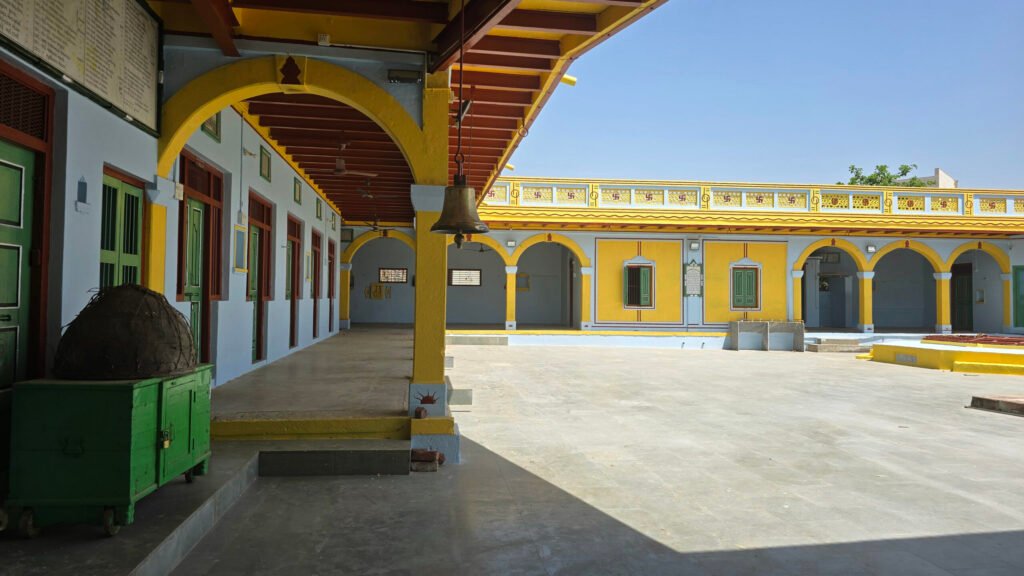
Drive back towards Vadnagar ring road, turn right and then left, just before the Vadnagar archaeological museum. The Amther Mata temple is next to Amarthol Gate, about 500 m away from Gauri Kund.
In most Hindu traditions, Shakti, the mother goddess, is held in the highest regard. As we’ve seen in earlier stories, she takes on many identities like Sheetala Mata, Padmavati, Lajja Gauri, and Shakambhari. Yet her essence remains the same; a powerful force that protects, destroys evil and sustains life. Let’s explore two more forms of the goddess, especially revered in Gujarat and Rajasthan.
This temple is dedicated to one of them, Amther Mata or Ambaji. Dating to the 10th century, it is among the oldest active shrines in the region. Amther Mata belongs to the tradition of village goddesses, worshipped as protectors of the settlement. They are often seen as the most approachable deities in everyday life. And their identities are sustained through oral tradition rather than Puranic texts.
The temple complex has six shrines. The main one is dedicated to Amther Mata, with others for Vishnu, Shakti, and Surya. You’ll also see Ganesha, Mahishasura Mardini, and on the rear wall, the Sapta Matrikas or the seven mother goddesses worshipped across India.
In 2021, nearby excavations uncovered the remains of an even older shrine. It was dedicated to Sikotara Mata, a coastal goddess revered by sailors along Gujarat’s coast. For generations, sea-faring merchants prayed to her as the protector of the seas. Her shrines still dot the coastline at places like Ralaj and Vadgam. But her origins lie far beyond Gujarat.
On the sea route between Gujarat and the Southern Arab Peninsula, there is an island known as Socotra, close to the Yemen coast. This remote island with its dramatic caves, was once an important stopover for traders sailing between India, Arabia, and East Africa.
Inside these caves, archaeologists have found hundreds of inscriptions left behind by sailors between the 1st and 6th centuries CE. Many are in ancient Indian scripts like Brahmi, Kharosti and later ones even in Gujarati. There are also traces of burnt incense, suggesting that sailors prayed in these caves before continuing their journeys.
Over time, the island itself came to be associated with a protective mother figure, sometimes referred to as ‘Socotra Mata’, a guardian of the sailors. And when Gujarati traders returned home, they brought back this belief of Sikotara Mata. Here, she is sometimes seen as a form of Durga, with a boat as her symbolic vehicle. You can see her image in a recently constructed shrine within the Archaeological museum campus.

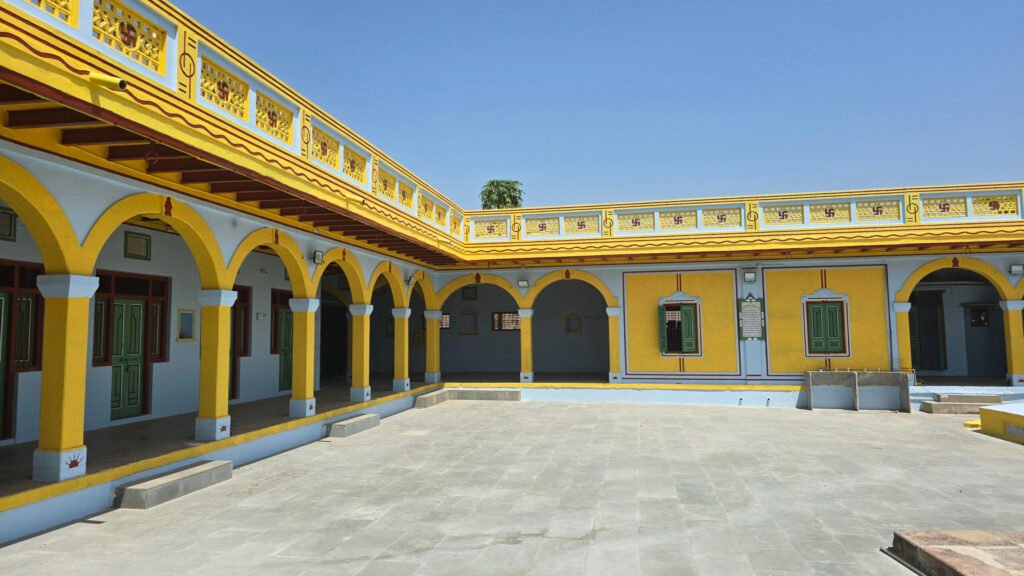
Amther Mata Temple
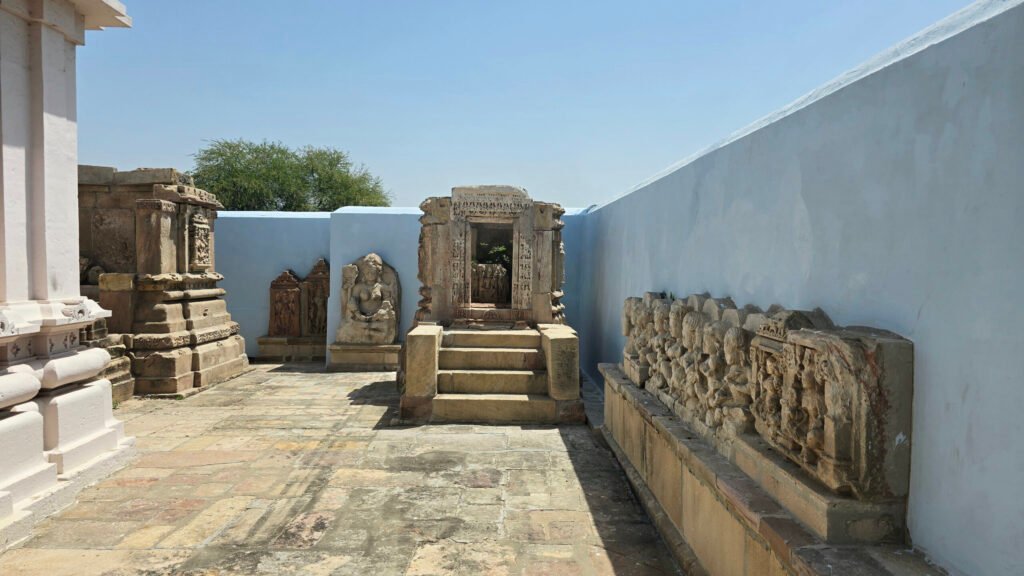
Amther Mata Temple
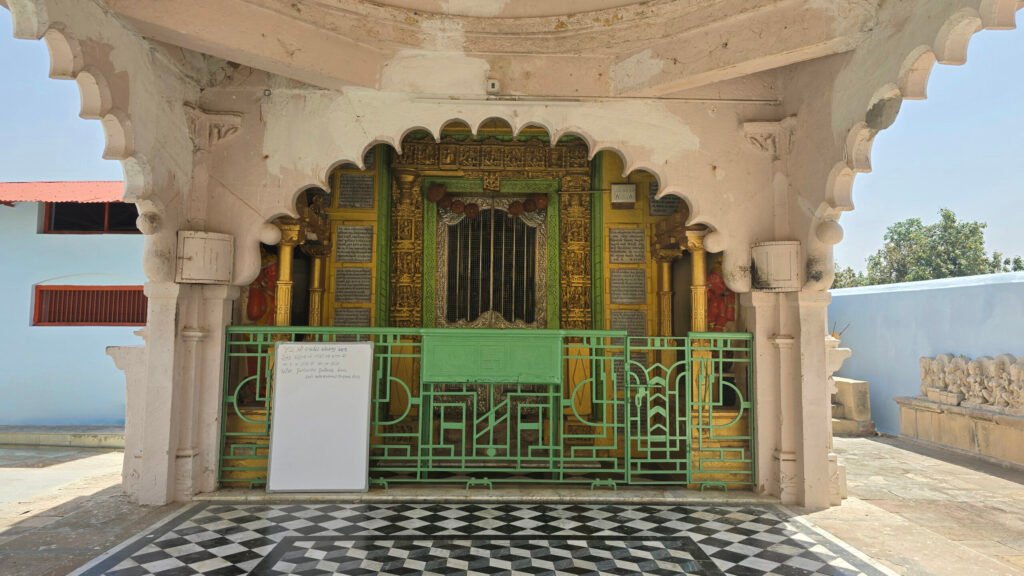
Amther Mata Temple
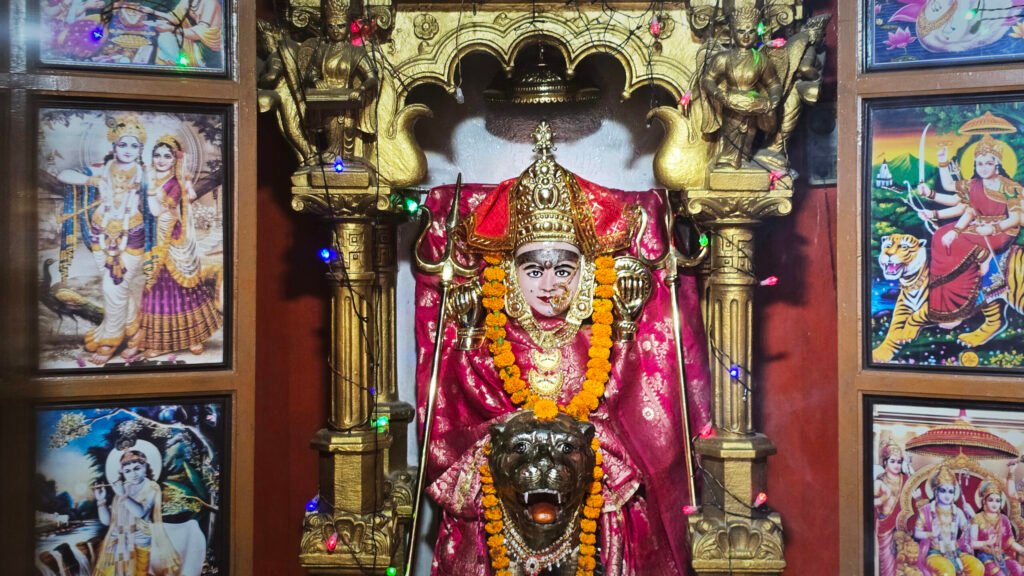
Amther Mata Temple
You Might Also Be Interested In
Explore More
Socotra Archipelago | UNESCO WHC
About Socotra Island.
Socotra Island: A haven for ancient Indian seafarers | Peepultree
About Socotra Island.
How I ended up on Socotra Island | Maverickbird
About Socotra Island.